Stop condensation forming in your home this autumn as cold weather looms
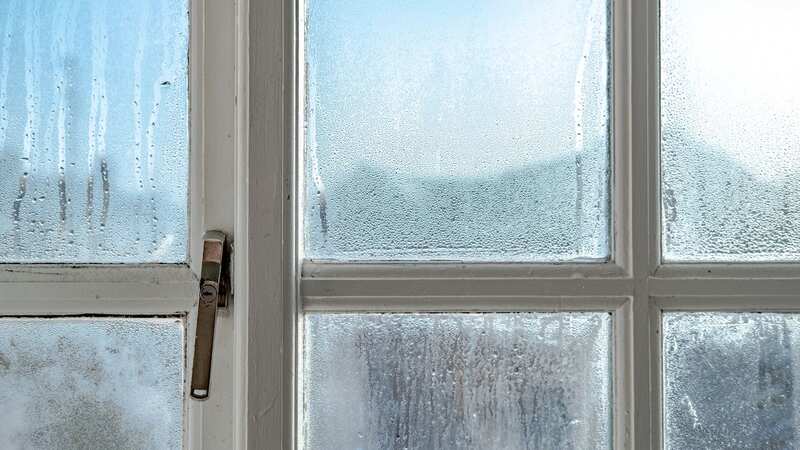
After a blistering start to September, the cooler autumn weather is beginning to settle in and as much as we'd love to cling to the sun for a little while longer, cold and no doubt wet weather is on the horizon as winter draws closer. And as the outside air gets colder, the chances of your windows getting covered in condensation increases.
Condensation forms when the hot air inside your home meets the cool surface of your windows, and while it's harmless on its own, leaving it can cause mould to grow as the substance loves damp places. Mould can lead to health conditions such as asthma and Bronchitis, so it's important to tackle condensation problems as soon as they arise. But what can you do to keep condensation at bay this autumn?
If you find condensation on your windows, it doesn't necessarily mean you have to replace the glass. Any window can gather condensation and there's not much you can do to prevent moisture in the air that may land on your windows - as even breathing creates moisture. However, there are some steps you can take to reduce the condensation in your home.
Ventilation
Opening your windows in the middle of autumn or winter might not sound like fun, but it can be a hugely important step toward making sure air can move freely around your home and allow damp air to escape outside.
Adam Pawson, property expert at Safestyle, said: "If your home is suffering from condensation, dampness or mould, the best thing you can do is to try and improve the ventilation inside. Try to regularly open windows to allow air to move freely and let moist air escape from the property. Ventilation systems such as extractor fans can also massively help to reduce the condensation in your home."
 Cleaning guru shares why you shouldn't make your bed first thing in the morning
Humidity
The expert also suggested trying to reduce how humid it is in your home can have a huge impact, and the best way to do this is by looking at how you dry your clothes in the winter. Hanging washing in airy spaces instead of inside warm rooms can help keep mould at bay, as can ensuring your tumble dryer is vented outside.
According to a popular Mrs Hinch Facebook group, you can also try investing in a dehumidifier that will wick away moisture and prevent vapour from turning into liquid. These can be electric, such as this one from Amazon priced at £44, or you can buy disposable ones from B&M for around £1.50 each, which we tested earlier in the year.
Other helpful ways to reduce humidity in your home can include moving houseplants to less humid areas of the house or getting rid of them altogether, and upgrading your bathroom and kitchen extractor fans so they are more efficient.
Insulation
Adam recommended making sure your home is well equipped with double glazing, wall insulation, and draught-proofing can also work wonders in reducing condensation because it will reduce the amount of heat that is lost from your home. He said: "Having well-installed, energy-efficient windows will help to keep the property's temperature high which can have a massive impact on condensation and mould growth."
Read more similar news:
Comments:
comments powered by Disqus