Health expert warns sweating at night could be due to underlying issue
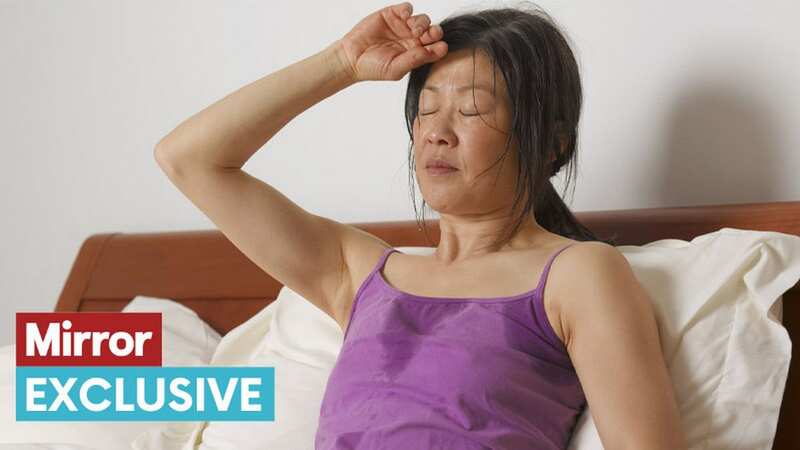
Most people sweat through the night, so it's not necessarily something to worry about. From wearing pyjamas to being wrapped up in bedding or the hot weather, there are plenty of things that can make us perspire more than usual. But if you're regularly waking up because your sheets are soaking, there could be an underlying issue.
Night sweats occur when you perspire so much that your clothes and bedding are soaking wet - even if it's cool in the room. This can happen to both children and adults, and it can occur for a number of reasons. Public Health Nutritionist Dr Emma Derbyshire from the Health and Food Supplements Information Service has shared four reasons for why you keep sweating during the night with The Mirror.
Menopause
Drenching night sweats are a common cause of menopause, which is when a woman's periods stops due to lower hormone levels. Dr Derbyshire explained: "The menopause is a key reason for sweating at night. Many women experience hot flushes and night sweats before, during and after the menopause. This is thought to be due to changes in production of oestrogen and progesterone."
However, there are things you can do to help the night sweats in this case. She continued: "Lifestyle changes like sleeping in a cool room and avoiding alcohol may help. If these changes don't help your GP may prescribe hormone replacement therapy (HRT).
Research has found that the nutrient magnesium helps to reduce hot flushes. Magnesium is found in nuts, seeds, grains and beans but a quarter of adult women do not achieve the minimum recommended intake for magnesium. As a result, bridge dietary gaps with a multivitamin and multimineral supplement containing magnesium."
 'My neighbour's screaming baby keeps me up all night - I'm sick of it'
Hormone problems
According to the health expert, night sweats can also occur due to hormone problems or imbalances, such can be caused by a number of conditions. Dr Derbyshire explained: "Hormone problems may be linked to night sweats. Examples include hyperthyroidism (high levels of thyroid hormones), diabetes and high levels of blood sugar, and changes in sex hormones. Body temperature regulation is masterminded by the hypothalamus, which is also part of the hormonal system. Dysfunction of the hypothalamus may be an underlying issue related to hormone problems and can also cause night sweats."
Anxiety and stress
As with many sleeping problems in general, sweating during the night can be caused by increased stress and anxiety. Dr Derbyshire told the Mirror: "Anxiety, panic attacks and stress are also a common cause of night sweats. Mineral imbalances are common where sweating occurs frequently. Sweat has been found to contain high concentrations of potassium, sodium, calcium, magnesium and iron."
Because of this, the health expert recommends eating foods high in potassium, including "bananas, potatoes, dark leafy greens, and citrus fruits". Meanwhile, foods containing magnesium include "almonds, cashews, spinach, beans, and pumpkin seeds while calcium is found in milk, yogurt, almonds, and broccoli and iron in red meat, wholegrains and beans".
Government research has found that most of us are low on nutrients such as potassium, magnesium, calcium, so it could help to take "a multivitamin and multimineral containing the recommended intakes of these nutrients," added Dr Derbyshire.
Nutritional deficiency
If you're finding yourself sweating a lot at night, it could be a sign you're lacking in certain vitamins and minerals. Dr Derbyshire explained: "A lack of vitamins and minerals, including vitamin D and vitamin B12 can lead to excessive sweating. Many of us have shortfalls of vitamins and minerals. Vitamin D is difficult to obtain from the diet because so few foods contain it and urban, indoor lifestyles as well as use of sunscreen (which is essential) can lead to shortfalls of vitamin D.
"Lack of vitamin B12 which is common in people over 50 and in people reducing or avoiding animal foods (meat and dairy) and fish, can cause drenching night sweats. If you haven't taken vitamin D throughout the winter your levels will likely be low, so top up now with a supplement with the recommended 10 micrograms daily of vitamin D and also ensure your B12 levels are topped up with a supplement."
If you're worried your night sweats might be caused by an underlying issue, you should contact your GP.
Read more similar news:
Comments:
comments powered by Disqus