Popular high street bakery that shut 170 stores set to reopen branches
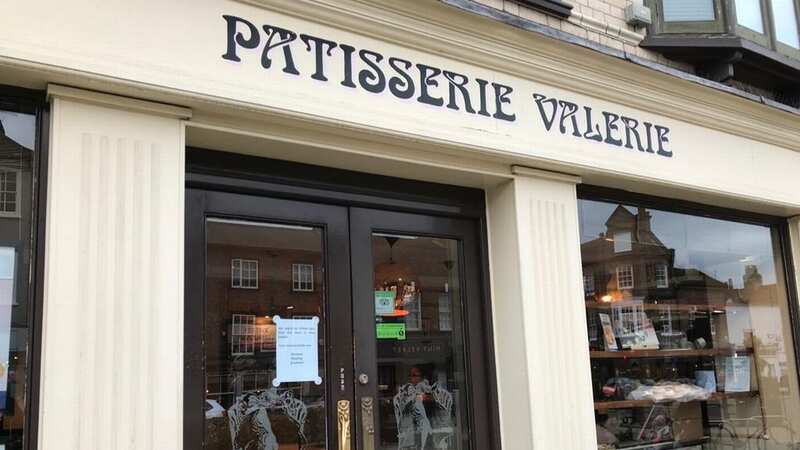
A high street bakery chain that closed 170 branches after collapsing into administration is to reopen some stores, it has been claimed.
Patisserie Valerie once boasted 193 stores across Britain with close to 3,000 staff, and is now is set to relaunch restaurants in the autumn. The chain was forced to bring in administrators in 2019 amid the aftermath of accountancy fraud, culling 71 stores.
Its stores currently number just 29, while eateries can only be found in cities and larger towns. However, it does have concessions in around 400 Sainsbury's stores selling cakes. Its remaining restaurants are found in London, as well across the South East and up north in York, Leeds, Chester and Durham.
 The chain was forced into administration in 2019
It reportedly plans to reopen two restaurants in the coming weeks. Its Cambridge branch will be once again open for business next week following a refurbishment, while its Cribbs Causeway site, near Bristol, will open in mid-October. More cafes are expected to open in the coming months - though locations and dates have not been confirmed, reports The Sun.
The chain was so cash-strapped at one point it was forced to strip butter from its puff-pastry. Causeway Capital Partners - which bought the chain after its collapse in January 2019 - said it discovered broken ovens that had been untouched for months, unpaid suppliers and no health and safety procedures.
 'I absolutely hate when people ask to split the bill - I can't afford it'
Owner Matt Scaife said he was left stunned when he toured his acquisition's headquarters. He said the bakery roof was leaking and according to its books, firms hadn't been paid. Patisserie Valerie slid into administration amid a series of failings, sparked by an accounting scandal.
At the time, a £100million black hole was discovered in its books, leading to the loss of 900 jobs. Scaife's firm Causeway Capital Partners bought the chain - once valued at £450million - for just £5million. However, after making the purchase, he discovered the reality of just how "seriously mismanaged" the company had been.
"Things had been going wrong for a considerable time and as soon as we arrived the extent of the under-investment became increasingly apparent," he told the Telegraph. "There were ovens that had been broken for several months, and there was a leak in the bakery roof. Suppliers were often left unpaid, while new ones were sought. Overall, it was not a good culture.
"When someone decides to stop using butter in the puff pastry – in a patisserie - you know that something serious has happened. At the same time there was no head of health and safety in place, which for a food business is extraordinary. It was symptomatic of what was going on across the business."
Read more similar news:
Comments:
comments powered by Disqus