Common neighbour fence complaint could land you in trouble with council
It's normal to have disagreements with your neighbours - whether that be about the tree in your garden that's shading their lawn, or the loud noises your children make when playing in the garden. It might be easy to shrug off their moans by ignoring them, but it turns out that there are some complaints that might be worth listening to - as they could land you in trouble.
It's important to be aware of the rules, as it could not only improve your relationship with your neighbour, but also avoid you landing a huge fine or getting in trouble with the council. According to garden maintenance experts at Toolstation, one particular complaint, which is very common among neighbours, is important to be aware of.
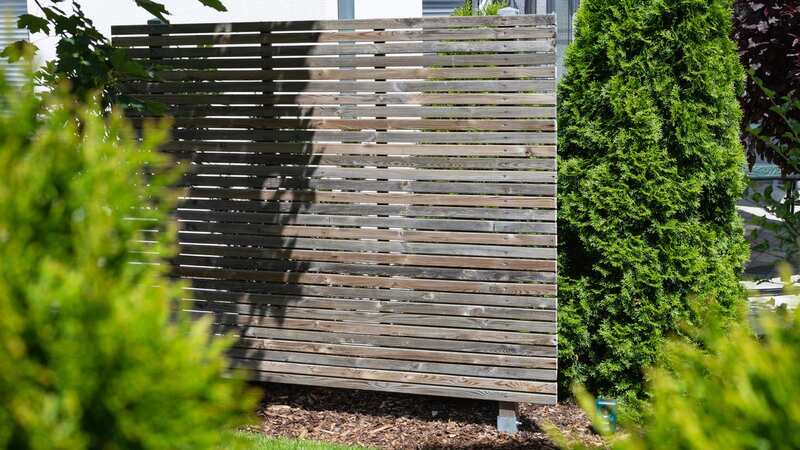
For example, it turns out that if your neighbour is complaining that your fence is too tall - you need to make sure it's actually not breaking any rules, or they could be right. The experts explained: "Disagreements about property lines and fences can cause tension between neighbours. It's recommended to check the deeds of your property which will determine the correct boundaries. Most of the time, it's easy to determine who owns the fence as the fence posts will usually be on the owners side.
"Additionally, the height of fences or hedges can cause disputes between neighbours if one party feels the height has exceeded the two metre guidance. Hedges and fences should be no more than two metres high, and you could be asked by the council to take them down if a neighbour complains about the height. Luckily, standard fence sizes are less than 2m tall so you shouldn't have a problem."
Another issue that can cause tension is when a homeowner wishes to remove a tree - whether that be cause it impacts shade or view. It turns out that if it's within your boundary, it's ultimately up to you - unless the tree is protected by law. The experts explained: "If one neighbour wishes to remove or heavily prune a tree that the other neighbour values, disputes can arise over the impact on the view, shade, or privacy. However, the good news is, if the tree is within your property boundary, it is ultimately your choice what you do with it.
 'My selfish neighbour stole our parking spot - my revenge means he'll regret it'
"But, some trees may be protected by a Tree Protection Order which makes it an offence to uproot, top or destroy them. The maximum fine for breaking this law is £20,000, so make sure you double check. It's really easy to check if a tree on your property has a TPO, you will just need to contact your local council for a map that shows this information. Alternatively, you can ask to speak with your local tree officer."
Disagreements can also arise due to overhanging branches, vines or roots - but you can only trim up to the boundary of your property, or it could count as trespassing. The experts added: "You can climb into the tree to carry out the work if needed, but only on your property - make sure to stay on your side of the fence if you don't have permission to enter your neighbours garden."
Read more similar news:
Comments:
comments powered by Disqus