'I'm an end-of-life carer, here's what people regret on their deathbeds'
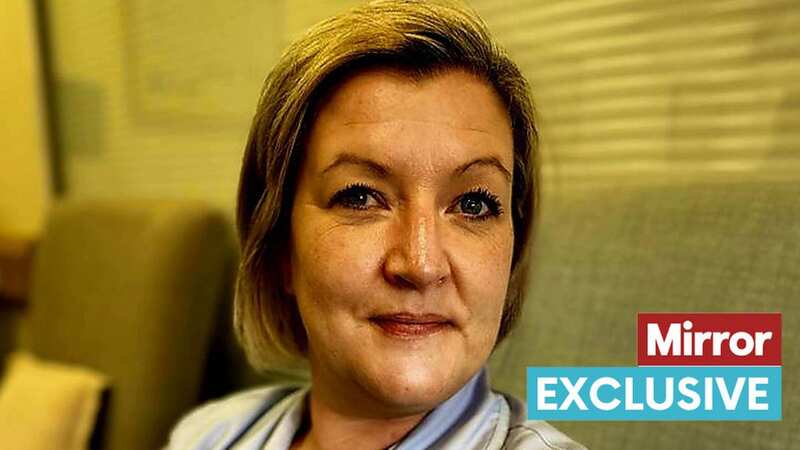
Caring for somebody on their death bed can be incredibly difficult and emotional, as Sue Ryder healthcare assistant, Katrina Homer, knows only too well.
From arranging people's dying wishes to listening to their biggest regrets, it's a huge responsibility but one that is 'such a privilege' at the same time.
Katrina had been a domiciliary carer for two decades before she decided to go into palliative care in 2021, inspired by her late father's heartbreaking final wish.
She wasn't aware at the time of his passing that he could've received his end-of-life care at home, and felt he ended up dying in a place he didn't want to be.
 Katrina decided to go into palliative care two years ago when her dad sadly passed away (Katrina Homer)
 His dying wish was to be cared for in the comfort of his own home, but he wasn't given that choice (Katrina Homer)
"My father wanted to be at home and to die at home with his family, which he was not able to do. He did not receive the care he needed and deserved at the end of his life to keep him comfortable," Katrina, 46, told the Mirror. "Because of this I decided that I wanted to go into a more caring role. A role that would help ensure that people in their last days or weeks would get the love and care that they need and to fulfil their wishes."
 Cherished girl, 3, who spent half her life in hospital dies before surgery
Shortly after Katrina's dad, Robin Gray, 80, passed away in a local care home, she applied for a vacancy at Sue Ryder's Hospice at Home service, which provides expert care for patients in their own environment. "I do this job because I love it. It is such a privilege to be accepted into someone's home at such a personal, delicate and vulnerable time in their lives and help to keep them as comfortable as possible," Katrina, from Didcot, Oxfordshire, said.
From fulfilling one dying woman's wish to have a wedding at home, to another lady's request to have her horse visit her, no two days are the same for Katrina. A bittersweet moment that sticks in her mind is a conversation she had with an elderly gentleman, who didn't usually talk a great deal, but one afternoon broke into fits of laughter looking out at his garden.
"He began to really laugh and chuckle because the goats had escaped and were eating all the new fencing, plants and everything else they could see. It was such a lovely moment to hear him laugh and he started to open up and chat," Katrina said. She has learnt many life lessons during her time with end-of-life patients, and says she often comes across those who regret not speaking to family members.
"A couple have expressed a sadness that there are family members they have not seen or spoken to for some time. It does make you reflect and think how you would like to keep those you love in your life, and that sometimes you should make the effort," she explained. Katrina said the hardest part of her job isn't what you might expect.
 Katrina's one piece of advice would be to talk openly about your dying wishes before it's too late (Katrina Homer)
 The hardest part for her is witnessing close family and friends grieve their loved ones afterwards (Katrina Homer)
"Sometimes it can be difficult to provide care the way the patient would like, as families would like care done differently," Katrina explained. Disagreements between relatives can make Katrina's job harder. But the most heartbreaking role is watching loved ones grieve afterwards. "Some family members can be extremely emotional, which is sometimes hard to witness, especially after their loved one has passed," she said.
In a typical day, Katrina will start at 8am and finish at 8pm, depending on how the patients are and what the workload is. She gets given a handover and a lease car to visit people in their own home. "I help them with their personal care but also provide emotional support and ensure they are as comfortable as possible, physically, emotionally and also spiritually," Katrina said. "I meet people of different ages and from all different backgrounds, it really is very rewarding."
Katrina wants to break down the stigma of talking about death because we only die once - and we should want to get it right. She said: "I don't think [palliative carers] are valued enough by society. I still think there is some stigma around death and dying, and it is something not to be talked about. People also assume that a hospital, a hospice or care home is a place for someone to die rather than at home.
"This role is so important as it helps give people at the end of their lives more choice about where they want to be, and we give families the strength and support they need so they can keep their final promises to each other. We help families go from being carers to husbands, wives, sisters, brothers, sons and daughters again.
"It is also important for us to be there for the patients' loved ones and families, not only for practical support but also emotional, as it can be a very difficult time for them too. Having open conversations can help them when the time comes to meet grief with warmth and acceptance rather than shying away from it and avoiding it.
"We only get one chance to get this right, so I am really passionate that more people become aware of the care and support which is available to them at the end of life." Her one piece of advice would be to "talk now with your family and loved ones about what you want your end of life to be like". "Making plans now can make a difficult time less hard as you know you are fulfilling those special, final wishes to each other," she said.
 Community gathers for candlelit vigil honouring girl, 4, killed by family dog
For more information about working for Sue Ryder and palliative care, visit the charity's website.
Have you got a story to share? Get in touch. Email [email protected].
Read more similar news:
Comments:
comments powered by Disqus