Parents and teachers alike feel ill-equipped to teach youngsters - about periods
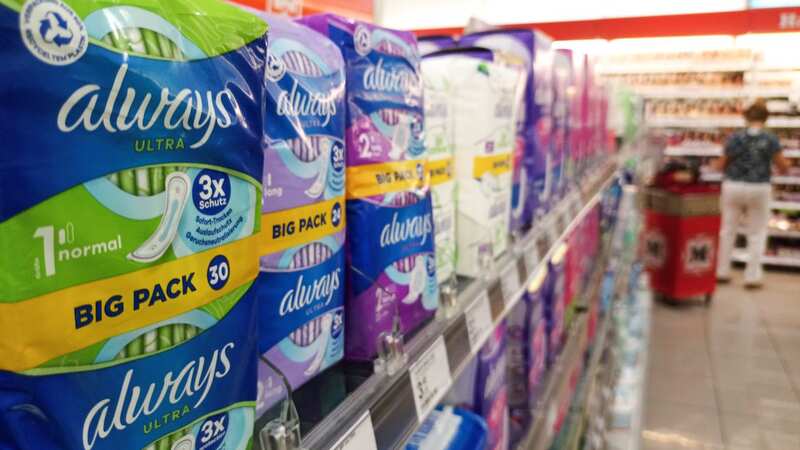
Parents and teachers alike admit they have felt unprepared and ill-equipped to educate and support youngsters – when it comes to the topics of puberty and periods, research has found.
Nearly half of parents claim they don't feel comfortable discussing periods with their own children – as 34% have been faced with a situation where they have not known how to answer a question their kids asked them about puberty.
And even in schools, a whopping 84% of teachers say they find it challenging to educate their students about puberty – with one in four not feeling equipped to do so.
One of the biggest concerns about having these conversations with a young person is saying the wrong thing and appearing insensitive – with 26% of parents, and 68% of teachers, worrying about this.
But less than half of teachers (46%) feel the current school curriculum around puberty education is sufficient – with 83% saying they would welcome better training to help them address such topics with their pupils.
 Nursery apologises after child with Down's syndrome ‘treated less favourably’
The research was commissioned by Always, and polled 1,000 parents of 8-16-year-olds, as well as 500 teachers who teach students aged eight to 14.
 And 83% of teachers would also welcome additional training on how to educate youngsters on periods and puberty in the classroom (SWNS)
And it comes as the menstrual hygiene brand looks to introduce a new content series, as part of their puberty and period lessons in secondary schools – addressing frequently asked questions by young people around period education.
It will feature TV couple, Zara McDermott and Sam Thompson, in a bid to improve period education for everyone, and engage more with teens around the topic – to ensure those about to experience their first period, and their support groups, can be better prepared and informed.
Zara McDermott said: “First periods can be a nerve-wracking experience if you don’t know what to expect. The content series looks to provide advice around what changes to expect and what period products you need to feel protected, whatever your flow.
“This will help so many people given that, currently, only 58% of parents with a child set to experience periods put a pad in their child’s bag.”
Sam Thompson added: “While making the content series, I found myself embarrassed by my lack of knowledge around periods. It made me realise that in order for me to be a better ally, I also need to be better educated on the topic of periods.
“That way, we can go further towards breaking the taboos around periods, normalising the conversation and supporting anyone set to experience their first one, so no-one feels unprepared.”
The research, carried out via OnePoll, also found 40% of eight- to 16-year-old boys admitted they don’t know much, or anything at all, about periods.
And 48% of parents believed that boys were not adequately informed about periods – something echoed by four in ten teachers.
Emma Gerrard, brand director for Always UK, said: “Preparing for first periods can be a daunting experience for everyone involved, especially if you don’t know what to expect.
 Striking teacher forced to take a second job to pay bills ahead of mass walkout
“It was important for us to design a content series with everyone in mind. Zara and Sam have been great in helping to make periods part of our everyday conversations.
“Parents, teachers, and teens are looking for more information to help them feel more confident and informed. These first period experiences stay with us, and we want to make it as helpful and positive as possible.”
Read more similar news:
Comments:
comments powered by Disqus