Expert declares 'best temperature' to kill bacteria - and it's not 60 degrees
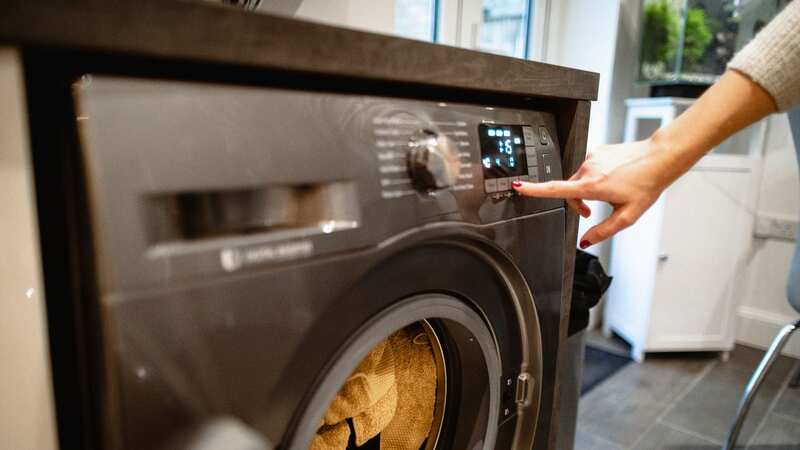
Many of us have been reconsidering how we use our washing machines amid the cost of living crisis by turning the temperature of the wash down to 30 degrees so we don't use as much energy. And while that works for most things we want to wash, some of us will still turn the temperature up to 60 - or even 90 - when we want to make sure we're killing bacteria on things such as bedsheets.
But according to one sleep expert, we don't actually need to blast our bedding in a scalding hot wash, as washing more regularly at a lower temperature will work just as effectively. Chris Tattersall claimed that the perfect temperature to wash bedsheets is actually 40 degrees, as this will kill bacteria and dust mites - and is still kind to your wallet.
The sleep expert, from Woolroom, told The Express : "Washing your bed sheets is a task that should be completed once a week, which can be extended to two weeks should you not sleep in your bed every evening. This regularity is one that surprises many but is a result of bed sheets gathering large quantities of dead skin, sweat, body oils, dirt and most notably dust mites. Common throughout the home, dust mites thankfully do not bite, but they can irritate the skin and are a known cause of aggravating allergy symptoms.
"Should you suffer from eczema or asthma, cleaning your sheets more regularly is the best way to alleviate symptoms. Moreover, in the summer months, you should clean your sheets more regularly due to the warmer weather which can cause excess sweating at night. When it comes to the washing, this should be done on a regular 40-degree wash."
Chris also recommended checking your mattress protector and duvet whenever you change your bedsheets, as these will also need washing or replacing over time. He said the average lifespan of a duvet is around five years, and if you leave it for too long without replacing it, you could be creating a breeding ground for dust mites.
 Cleaning guru shares why you shouldn't make your bed first thing in the morning
He added: "With duvets and mattress protectors, these have a lifespan of around five years, though this will be determined by the fibres used in your duvet. All of the dead skin and body oil, combined with your sweat as you sleep, is absorbed by your bedding, making it a breeding ground for dust mites by providing them with a food source. [In turn, this can] cause irritated eyes and a runny nose, [and] therefore disrupt your sleep meaning keeping your bedding clean is imperative.
"You can tell if a duvet has come to the end of its life when it feels limp and thin, a result of the filling being compressed which in turn means that the fibres are no longer able to trap air, and therefore maintain body temperature effectively."
Read more similar news:
Comments:
comments powered by Disqus