Seven in 10 Brits can't tell the difference between lab-grown and mined diamonds
This video shows eagle-eyed Brits put to the test to see if they can spot the difference between a mined diamond and a laboratory-grown diamond.
Couples were stopped in the street and presented with one of each type of diamond – with most struggling to tell the difference.
They were also asked to guess the price difference between mined and lab diamonds – and many were shocked to discover the latter costs up to 85% less.
It comes as a poll of 1,500 would-be husbands and wives revealed seven in ten would consider swapping a traditional, mined diamond, for a lab-grown alternative.
But nearly half (46%) don't realise lab diamonds even exist, while just 26% feel they have a good knowledge of what a lab-grown diamond is.
 Martin Lewis issues 8-week warning to phone users ahead of huge price hikes
The research was commissioned by diamond retailer, Queensmith, based in London's historic Hatton Garden district.
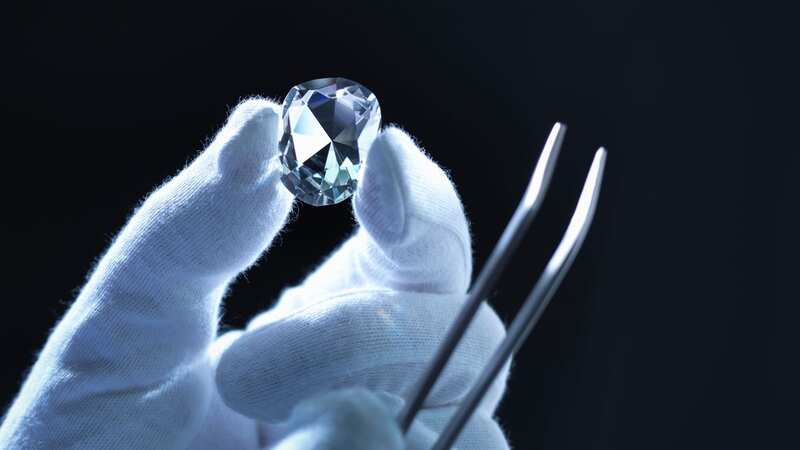
 Seven in ten Brits admit they can't tell the difference between lab-grown, and natural, mined diamonds (Monty Rakusen/Getty Images)
And it emerged that the demand for lab-grown diamonds has increased by 2,860% in the last five years – as they are seen as more sustainable (43%), and better value for money (55%).
Meanwhile, 69% of those polled admitted they wouldn't be able to tell the difference between the two types of gems – as lab diamonds are identical both physically and chemically to their natural counterpart.
Figures from Queensmith show that in 2019, its lab-grown diamond sales equated to just 1% of overall diamond sales – but this year, that figure has swelled to 81% of overall sales, with the jeweller on track to sell 1,900 lab-grown diamonds.
A spokesman for the brand, which commissioned the research, said: “It’s no surprise to see people willing to move away from mined diamonds.
“Lab-grown diamonds provide a great alternative that is more affordable and less impactful on the environment, which is a big concern for most people. The trend of people moving towards lab-grown alternatives isn’t going away.
“Despite 70% saying they would be willing to opt for a lab-grown diamond, our research shows 46% were not aware lab diamonds even existed. As that number continues to go down, we expect demand for lab-grown diamonds to continue to rise.”
The study also found 53% of those who plan to tie the knot would choose a cheaper engagement ring, if it meant they could splash out more on their wedding day.
The venue (53%) and the wedding outfit (34%) are the main priorities – with wedding rings (31%) in third place.
The changing tide in attitudes towards gems is further highlighted by 71% feeling that lab-grown diamonds will be the new normal in the future.
 Boots annual 70% off sale is returning with some deals already available
For some, that future is already here, as 27% already owned jewellery with a lab-grown diamond in it, while 32% knew of others who had bought lab diamond jewellery.
 But lab-grown gems can be up to 85% cheaper than their natural counterpart - and are more sustainable (SWNS)
Away from weddings, the top gifts people would look to buy their partners containing non-mined diamonds include necklaces (52%), earrings (50%), or a bracelet (44%), according to the OnePoll research.
The spokesman for Queensmith added: “Lab-grown diamonds have only been on the market for a short amount of time, so it’s no surprise to see that people’s understanding can be improved.
“Just a few years ago, these were items which weren’t available to the mainstream public. However, now sales are booming by 65% year on year – and they’re continuing to trend upwards.
“As people become more knowledgeable about lab diamonds, I’m sure we’ll see increased demand, and clients looking to learn more for themselves.
“Although not as rare as their natural diamond counterpart, they’re just as beautiful, and provide an excellent, more eco-friendly alternative for those who might be priced out otherwise.”
Lab grown diamonds are created in an artificial setting which mimics how they are made naturally.
There are two methods – chemical vapour deposition, and high pressure high temperature.
During HPHT, pure carbon is pressed within a metal cube and exposed to immense heat and pressure through electric pulses, until the carbon breaks down and crystallises into a diamond.
Any metal traces within a HPHT diamond will be minuscule, and usually not visible to the naked eye, with most experts considering HPHT diamonds to be better quality than CVD diamonds.
Read more similar news:
Comments:
comments powered by Disqus