Andy Burnham faces immigration, economy and defence crises as PM race ends
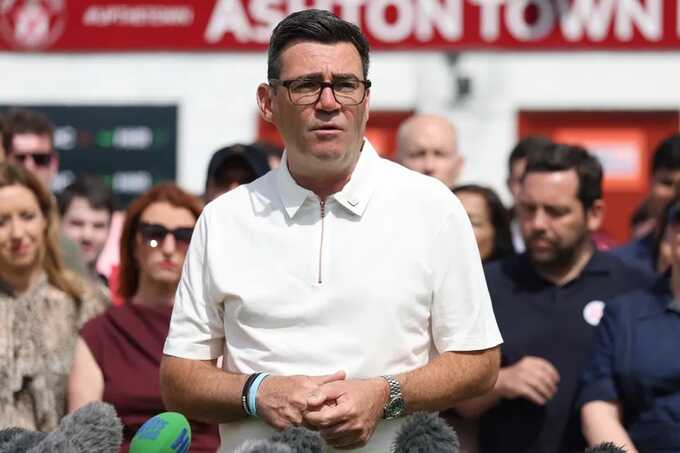
Andy Burnham is set to become the next Prime Minister within weeks – and will immediately be confronted with a daunting intray of problems facing the country.
He was only sworn into Parliament on Monday after winning the Makerfield by-election last week.
Mr Burnham’s overwhelming support from Labour MPs triggered Sir Keir Starmer’s resignation and likely “coronation” by July 17.
Downing Street today confirmed that he will start receiving government briefings from the civil service “as soon as possible”.
Sir Keir Starmer has agreed for prospective Labour candidates to meet with the Cabinet Secretary to discuss their plans to ensure a “smooth transition”.
Former Manchester Mayor Burnham had expected to have the summer to prepare his blueprint for government – yet now has a mere month to get ready for the most powerful office in the land.
And so while jubilant Labour MPs rushed to take selfies with their leader-in-waiting, the honeymoon might not last long as he prepares to take on the tough issues.
Here are the five biggest challenges he faces:
Immigration
Controlling immigration is one of the top priorities among voters – both legal net migration and the small boats crisis.
Mr Burnham so far appears to be backing Shabana Mahmood’s reforms to cut the numbers and clamp down on Channel crossings.
In an interview he said immigration must fall further and agreed with the “broad thrust” of the home secretary’s plans.
Ms Mahmood has reformed Indefinite Leave to Remain (ILR) which means migrants will have to wait ten years instead of five to claim benefits.
However, more than 11,000 migrants have crossed the Channel in small boats this year and there is a growing appetite among the public to take an even stronger approach to migration.
Defence
Allies of Mr Burnham believe this will be the most difficult department to fund, while Sir Keir’s flagship Defence Investment Plan (DIP) appears to be on ice after his resignation.
Mr Burnham has backed plans by ministers to increase defence spending, but signalled he would be relaxed in borrowing more money to fund the armed forces.
After John Healey’s resignation he said he would reduce the welfare bill to spend more money on defence.
Draft proposals by ministers would only take UK defence spending to 2.86 per cent, well below the ambition of 3 per cent.
It remains unclear what taxes Mr Burnham could increase or what welfare cuts he would be willing to make to pay for this uplift.
Welfare
Attempting to slash the welfare bill shattered Sir Keir’s authority after his own party torpedoed efforts to cut benefits by a mere £6billion.
At the time Mr Burnham joined the rebellion claiming the government had made “the wrong choice”, helping him win over friends on the Left of the party.
But since then Mr Burnham has backtracked after admitting the welfare needed to be cut in a different way.
The welfare bill is expected to soar to £400billion by the end of the decade and is increasingly unaffordable.
Even trimming parts of it will be incredibly unpopular with many of his own MPsand supporters who helped him return to Parliament.
Economy
Mr Burnham inherits an economy plagued by sluggish growth, high taxes and enormous debt.
He will flesh out his plans for the economy next week in a broad pitch on his plans for tax and spending.
Wes Streeting is odds-on to be the next chancellor after dropping out of the leadership contest and throwing his weight behind the former mayor of Manchester.
Mr Streeting’s views on fiscal discipline and honest choices has won him admirers in the City.
But Mr Burnham’s own left-wing platform has sparked fears of a market backlash, especially given his notorious previous remarks that Britain should not be “in hock” to the bond markets.
As Manchester mayor he advocated for stronger public ownership of transport and water and more spending which will cost billions of pounds.
He has vowed to stay within Rachel Reeves’ borrowing rules to avoid racking up debt, and so will have little money to play with.
Brexit
Resetting UK-EU relations was central to part of Sir Keir’s mission as prime minister.
However, his government had strict red lines which ruled out bringing back free movement and rejoining the customs union.
Mr Burnham in the past has said he would like to see the UK rejoin the European Union in the future.
But during the Makerfield by-election campaign he promised not to re-run the Brexit campaign and backtracked on his vision to rejoin the bloc.
Mr Burnham will also be wary that his new constituency strongly voted to leave the EU ten years ago.

Deputy Editor
Read more similar news:
Comments:
comments powered by Disqus