Starmer’s broken promises force early exit from No.10 amid public frustration
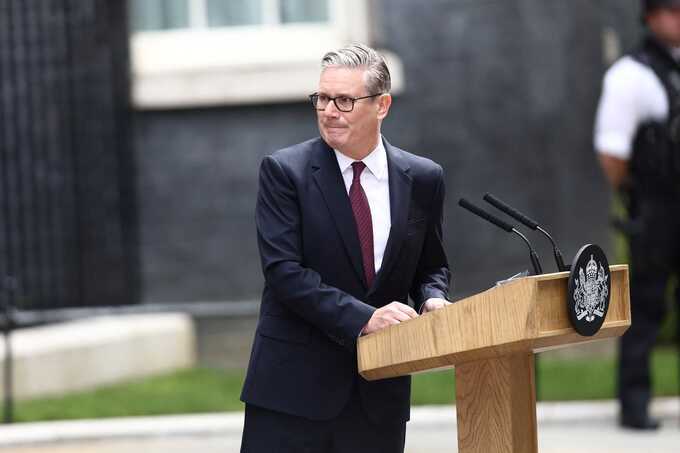
Despite promising to lead a different kind of government, Keir Starmer’s failure to deliver change has led to his early exit from No.10.
The new occupant of Number 10 will inherit a country increasingly sceptical that government can be a force for good. Their task, and it is a task which seems certain to fall to Andy Burnham, is to show that government can work well, can deliver its promises, and can produce outcomes which people see and feel in their everyday lives. It is a task which, despite a resignation speech claiming a long list of achievements, Keir Starmer failed to complete.
Like Starmer, and many of his predecessors, the next prime minister is bound to begin their premiership pledging to govern a different way. And Starmer’s early promise of change was the right one. Perfectly aware – despite protestations of horror at the details – of the overall tightness of the fiscal situation they were inheriting, Labour ministers sensibly saw government reform as a means to make government work better and deliver more.
Starmer’s unfulfilled missions are a symbol of his failure to change how government works
Sadly, the lofty rhetoric of mission-led government did not translate into reality. The grand declaration of a ‘plan for change’ – set out following complaints about the lack of specificity in the five overarching missions – identified milestones that never really registered with the electorate.
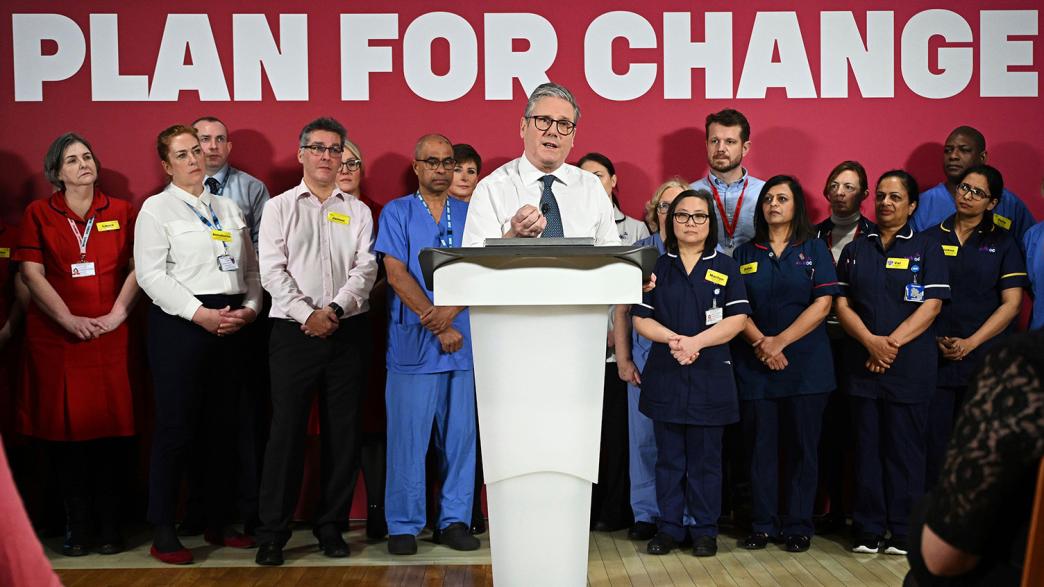
Despite that underwhelming start, genuinely interesting work has happened in the Cabinet Office in support of Starmer’s stated ambitions for public service reform. Its wider impact, however, has been very limited. Civil society and the private sector – which stood ready to row in with a society-wide effort behind the government’s missions – were disappointed to find a government that in some cases was more closed to their contributions than previous administrations.
Although Starmer’s accusation that some civil servants were ‘comfortable in the tepid bath of managed decline’ was clearly a yelp of keenly felt frustration, it did little to encourage officials to embrace the government’s aspirations for change. Meanwhile, Starmer’s promise to ‘rewire the state’ was hobbled from the start by being handed to a cabinet secretary who did not list reforming zeal among his undoubted other qualifications for the role. Only Chris Wormald’s belated replacement with Antonia Romeo has put the necessary urgency behind the civil service reform agenda.
Public service reforms have been uncoordinated
Starmer’s ministers took necessary steps to steady public services in the first few months after the election. Rachel Reeves managed to avoid making the substantial cuts to unprotected departments that some of the pre-election spending plans implied. And Shabana Mahmood made politically brave decisions on ‘early release’ to reduce pressure on prisons. Other positive developments have included increased capital spending and longer-term funding settlements for public services through the multi-year spending review, together with reduced heavy ringfencing of funding.
Unfortunately for Starmer, additional funding for public services came – in large part – from an increase in employer NICs, which has proven to be very unpopular. In many areas the public – impatient for improvements – have yet to see change, either because – in the wake of reviews – necessary legislation is only now making its way through parliament, or because structural reorganisations always take time to deliver expected savings or performance improvements. If indeed they ever do.

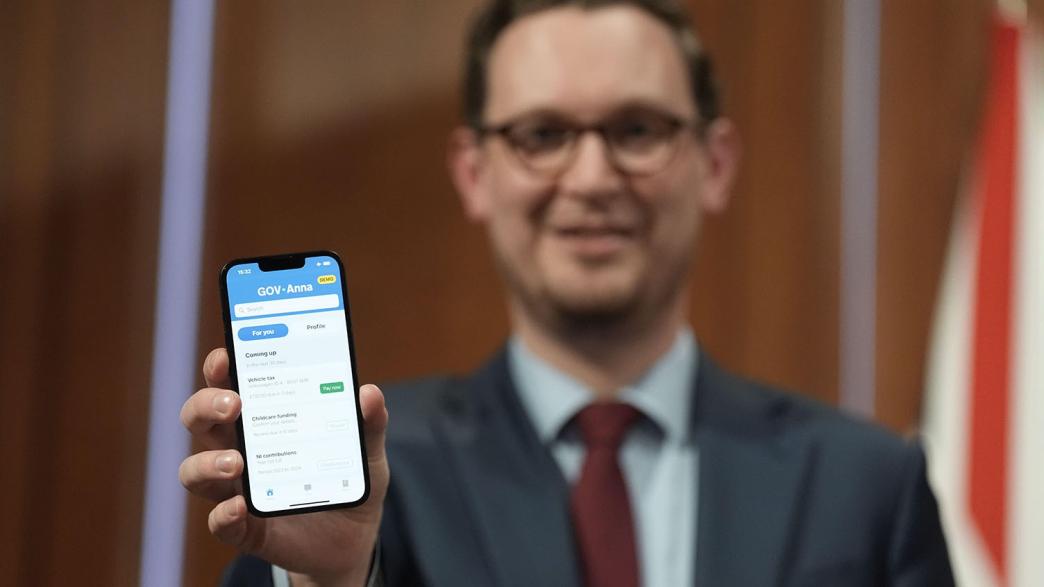
Other attempts to make savings, or introduce reforms, were either badly thought through or badly explained. An early decision to axe the winter fuel allowance unravelled from the moment of its ill-judged pre-budget announcement and became the first of many high-profile U-turns. Starmer’s huge majority provided no security as he buckled to protests and pressure on issues such as the farmers’ inheritance tax and welfare reform, with the botched announcement of digital ID cards and the instant row back on his infamous ‘island of strangers’ speech only adding to the sense of a prime minister not confident in the direction he wanted to set for his government.
Amidst all this, the public’s frustration has grown and has become increasingly focused on the person of Starmer himself.
Starmer’s decision to quit is the right one for the country
Starmer has made the right choice for the country by accepting gracefully that his time in office has run its course. By setting out a timetable for his departure he has given his successor a better chance of a successful transition – a few weeks to set up their team and their plans for government rather than being forced to step in overnight.

For the incoming prime minister, the challenge will be to strike the right balance between continuity and change. There is likely to be some familiarity in the personnel of the new government, which will be governing with the same mandate that took Starmer to power. Should he succeed Starmer, Andy Burnham will need to shift the government’s priorities and approach in a way that convinces the public to take a second look. Labour MPs will be watching anxiously. Whether he can operate government differently to produce better outcomes for the people of the UK will be the crucial test against which his premiership is ultimately judged.

Editor-in-Chief
Read more similar news:
Comments:
comments powered by Disqus