Bank of England drops Churchill and Turing from banknotes in favour of wildlife
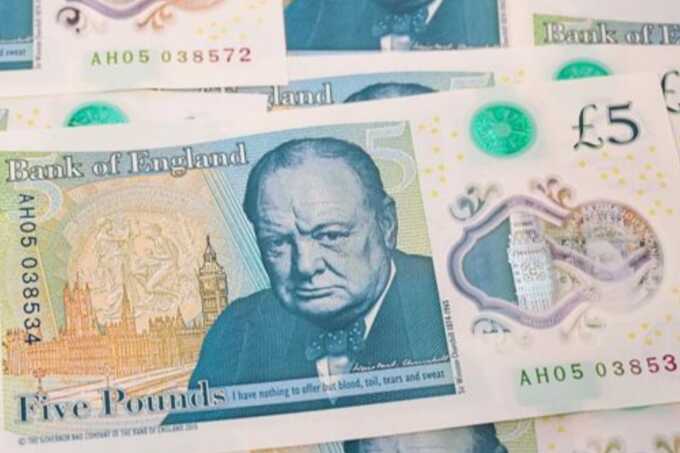
The Bank of England has defended its decision to replace historical figures with wildlife on the next series of banknotes.
Key historic figures including Sir Winston Churchill, Alan Turing, and Jane Austen were deemed “elitist” and “contentious and not representative of the UK’s cultural and natural diversity," according to research commissioned by the Bank.
It was advised to replace them as they were deemed “a backwards-looking vision of the UK that carries too great a risk of division and controversy”.
Last week, the Bank revealed its shortlist of animals for the £5, £10, £20, and £50 notes, including a dolphin, a fox, a butterfly, an owl, a bumblebee, and a shark.

The theme of nature for the new banknotes was initially announced in March, following an earlier public consultation.
Other proposed themes included historical figures; architecture and landmarks; arts, culture and sport; noteworthy events in history; and innovation.
On Friday, The Telegraph revealed that market research consultancy, Savanta, had delivered its research on ’historical personalities’ just months before the Bank announced the new notes would feature wildlife.
Savanta’s research also found that some landmarks and historic buildings could prove controversial because of perceived links to colonialism and slavery.
The White Cliffs of Dover were singled out as a potentially sensitive image because of their association with immigration debates.

The Bank insisted that its decision to drop historical figures was not motivated by the Savanta research but driven by an earlier poll that found a majority of the public wanted to see nature on banknotes.
A spokesperson said: “To select the theme for our next series of banknotes, the Bank canvassed a range of opinions through a public consultation last year.”
This consultation received 44,000 responses, with nature having the highest proportion of nominations and was the driver for our decision".
They also said that it was necessary to keep ahead of fraudsters who were growing more adept at replicating faces.
While Churchill was not specifically named, the research said that most of the 119 participants in Savanta’s focus groups felt that featuring historical figures on banknotes was “potentially divisive, elitist and disconnected from their own experiences”.

Researchers said: “Many participants, especially younger ones, questioned the relevance of current figures, suggesting the theme feels outdated. There was a clear desire for banknote imagery to evolve and better reflect modern Britain by being more inclusive”.
Reform leader Nigel Farage said "replacing Winston Churchill with a picture of a beaver on our banknotes... is the definition of woke". Robert Jenrick, Reform UK’s Treasury spokesman, criticised the decision and accused the Bank of wasting resources.
Conservative MP Tom Tugendhat accused the Bank of being weak and unable to "make tough choices and instead going for bland neutrality," reports The Spectator.
Notable British figures have featured on banknotes for more than 50 years, but the King will remain on the front of the new notes.

Technology & Business Editor
Read more similar news:
Comments:
comments powered by Disqus