Two-child benefit cap to be fully abolished, costing over £3bn
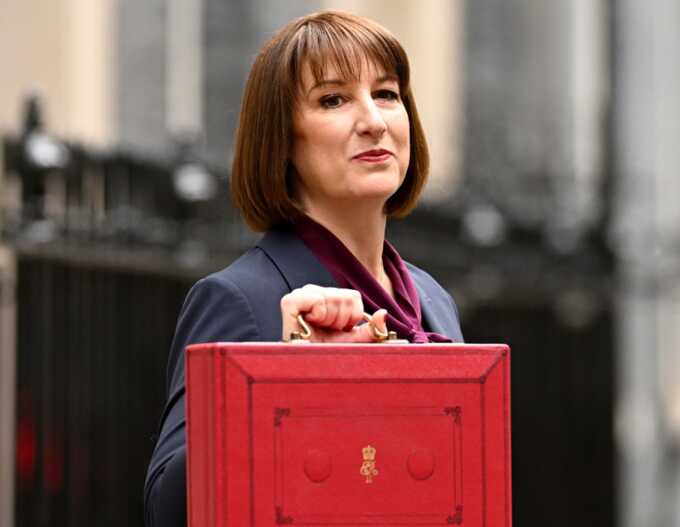
Rachel Reeves plans to completely remove the two-child benefit cap in the November budget, a move that could cost over £3bn but lift 350,000 children out of poverty.
The chancellor is anticipated to fully reverse the Conservative measure, having initially considered options to taper it either for very large families or wealthier ones.
Reeves is acting after the prime minister, Keir Starmer, emphasized that Labour should approach the next election having reduced child poverty. However, the chancellor is also hoping that removing the cap, which is popular with voters but deeply unpopular among Labour MPs, will appease many in her party who are concerned about the political implications of a potential rise in income tax.
The chancellor told BBC Radio 5 Live on Monday: “I don’t think we can lose sight of the costs to our economy of allowing child poverty to go unchecked. In the end, a child should not be penalized because their parents don’t have a lot of money.”
She added: “In many cases, you might have a mom and dad who were both working, but perhaps one of them has developed a chronic illness or one of them has passed away.
“There are plenty of reasons why people decide to have three, four children, but then find themselves in difficult times. But also, you have things like adoption, or foster caring—lots of different reasons why families change in shape and size over time.
“I don’t think it’s right that a child is penalized because they are in a bigger family, through no fault of their own.”
Allies of the chancellor said her words should be seen as a sign of her intent to remove the cap fully rather than partially.
Reeves’s comments illustrate her progress since the last election when she and Starmer chose not to include a promise to remove the cap in the party’s manifesto, arguing they could not afford “unfunded promises.” The Resolution Foundation has estimated that fully removing the cap would cost about £3.5bn by 2029-30.
Starmer continued to defend that position after entering government, even suspending seven MPs last year for voting for a Scottish National Party motion calling for an end to the cap.
Following that rebellion, Starmer assigned the education secretary, Bridget Phillipson, to lead a taskforce to provide recommendations on how to reduce child poverty.
Phillipson is expected to publish her findings around the time of the budget and has reportedly concluded that fully abolishing the cap is the most effective way to lift the maximum number of children out of poverty.
Allies of the prime minister insist he has always intended to remove the cap fully as soon as possible. One said: “Keir has always stated he wants to reduce child poverty in government. It would distress him if it increased during his tenure.
“He’s determined that it will surpass what Blair achieved in reducing child poverty in government. It really matters to him; it’s something he’s discussed for years. He wants to approach the next election saying that if you vote for Labour, you’ll help take more children out of poverty.”
Alison Garnham, the chief executive of the Child Poverty Action Group, said: “The two-child limit is the biggest driver of rising child poverty in the UK, and scrapping it entirely is the right thing to do. All children deserve a good childhood, and abolishing this cruel policy would give millions more kids a better start in life.”
Reeves made her comments on Monday after receiving the penultimate set of pre-budget forecasts from the Office for Budget Responsibility and a day after meeting the former prime minister Gordon Brown, one of the most vocal advocates for removing the cap.
She now has just over two weeks to finalize her announcement, likely dominated by a decision to break her manifesto pledge and raise income taxes.
The chancellor gave the clearest indication yet on Monday that she planned to make such a decision, despite the likely political backlash, telling the BBC that adhering to last year’s manifesto risked damaging the economy.
“It would, of course, be possible to stick with the manifesto commitments, but that would require actions like deep cuts in capital spending,” she said.
“The reason why our productivity and growth have been so poor these last few years is that governments have always opted for the easy option of cutting investment in rail and road budgets, energy projects, and digital infrastructure. As a result, we’ve never managed to get our productivity back to its pre-financial crisis levels.”
Reeves has been considering a plan to raise income tax rates by 2p and cut national insurance by 2p—a move that would generate £6bn and protect most workers while affecting pensioners and landlords.
Reports suggest, however, she is contemplating limiting the national insurance cuts to those earning about £50,000 and less, which would mean a significant tax increase for the top 25% of earners.

Editor-in-Chief
Read more similar news:
Comments:
comments powered by Disqus