Pro-Brexit figures accuse Rachel Reeves of using Brexit to explain UK economic troubles
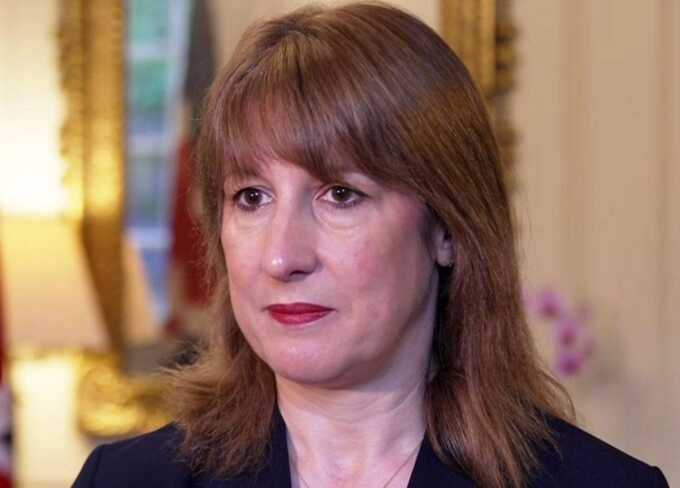
Pro-Brexit supporters have branded Chancellor Rachel Reeves a "complete fraud" for linking the UK’s economic problems to its exit from the European Union.
The backlash comes as Ms Reeves prepares for next month’s Budget.
Leading Leave figures condemned her position, accusing her of using Brexit as a scapegoat for today’s economic strains.
The criticism intensified after the Chancellor called Brexit’s effects "severe and long-lasting" and signalled that both tax rises and spending cuts remain on the table at the Treasury.
Her remarks have reignited tensions over Brexit’s economic legacy as the Government faces pressure to plug a £30billion gap in the public finances.
They echo comments from Health Secretary Wes Streeting, who recently said he was "glad that Brexit is a problem whose name we now dare speak."
Former Business Secretary Sir Jacob Rees-Mogg issued a sharp rebuttal.
"That is simply false. Her problems would be much worse without Brexit," he said.
Sir Jacob argued that staying in the EU would have left Britain with "our national debt £78billion higher and our deficit £25billion worse."

John Longworth, former head of the British Chambers of Commerce and now leader of the Independent Business Network, went even further.
He labelled Ms Reeves "a total fraud" and accused her of having "created economic chaos" while driving up inflation and unemployment.
"Blaming Brexit is the last refuge of a scoundrel and clearly wrong, as we are outperforming France and Germany despite this awful Government, which has no idea how to create growth using the opportunities of Brexit," Mr Longworth said.
The reaction reflects deep frustration among Brexit advocates, who argue the 2016 referendum is being unfairly blamed for current economic difficulties.
Reform UK’s deputy leader Richard Tice demanded Sir Keir Starmer "take responsibility" for the economy.

"It’s his budgets, his decisions and his miscalculations over the past year that have brought this country to the brink. No-one is buying what Starmer is selling," Mr Tice said.
He added: "He should take responsibility for the disaster he has caused by appointing the most pro-tax, anti-growth Chancellor that I can remember."
Shadow Chancellor Sir Mel Stride offered his own criticism.
"Rachel Reeves doesn’t need to raise taxes. She needs to get a grip of Government spending including the welfare bill," he said.
He added: "Be in no doubt, this tax doom loop is down to the Chancellor’s economic mismanagement. Under Rachel Reeves we have seen inflation double, debt balloon, borrowing costs at a 27-year high, and taxes rise, with more pain to come in the autumn."
Despite the criticism, Ms Reeves reiterated that Brexit’s effects remain "severe and long-lasting".
She said Britain was "undoing" some of the "damage" through its new agreement with the EU, which includes an "ambitious youth mobility scheme".
Trade expert Shanker Singham cautioned against regulatory alignment with Brussels.
"Even the EU admits that its regulatory system damages competition and growth," he said.
He argued Britain "should have been using its freedom to improve its regulatory environment, where the biggest gains actually lie."
Mr Singham added: "Aligning to EU regulation wipes out these potential gains and leaves you only the costs. Both the Labour government and its predecessors have failed to take advantage of this regulatory autonomy, where the biggest economic gains lie."
Ben Ramanauskas from Policy Exchange said the Chancellor should prioritise reforming taxation and regulation rather than attributing problems to Brexit.
He called for cuts to public spending to enable tax reductions while removing barriers to building housing, commercial property and energy infrastructure.
Politics Editor
Read more similar news:
Comments:
comments powered by Disqus