UK officials probe Russian link to cyberattack on car giant JLR
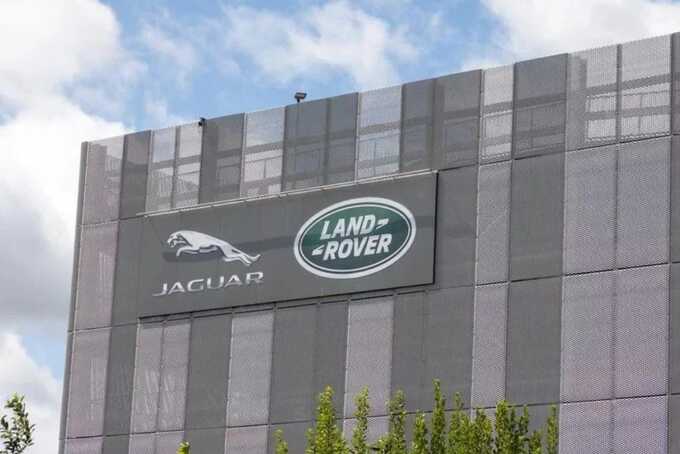
Russia is reportedly being investigated as the possible culprit behind the cyberattack that forced Jaguar Land Rover (JLR) to halt production for more than a month.
The attack, discovered on August 31, knocked out around 800 computer systems and brought JLR’s operations to a standstill. Factories in the UK, Brazil, India, and Slovakia were all affected, with around 200,000 jobs in the company’s global supply chain left in limbo.
Given the scale and sophistication of the breach, investigators reportedly believe a foreign state instructed hackers - and the possibility of Russia being behind the attack is now an active line of inquiry.
The probe is being helmed by the National Cyber Security Centre, part of the Government Communications Headquarters (GCHQ), and assisted by the National Crime Agency. Last week, GCHQ was sent into JLR to begin preliminary investigations.
A spokesperson told The Telegraph: “The investigation is ongoing, and we would caution against speculation. The Government has persistently called out a range of actors for malicious cyber activities against the UK and will continue to do so.”

Last month, Chancellor Rachel Reeves told ITV News that "hostile states like Russia" were behind some of the cyber attacks suffered by the UK this year.
Though she did not specify which breaches she believed to have been actioned by the Kremlin, in recent months cyber attacks have disrupted operations at British companies like Marks and Spencer, Harrods, and Co-Op.
Ms Reeves said the government and business need to "step up" to quash the increasing threat to security.
Last month, further concern about Russian interference in European infrastructure was fueled after drones wreaked havoc on airspaces in Denmark and Germany.
After the cyber attack on JLR, the government announced it would underwrite a £1.5 billion loan guarantee to JLR to give suppliers some certainty over payments, amid fears disruption could have rippled through the wider automotive industry.
While that offered JLR some relief, the timing of the attack proved particularly damaging as it struck just as the car industry entered the September registration period - traditionally one of its busiest months.
In the aftermath, JLR reported a 17% fall in global sales between July and September compared with last year, with UK sales dropping by nearly a third.
However, the group’s production restart began with its engine plant in Wolverhampton and its battery assembly centre in Coleshill, Birmingham, on Wednesday.
It also restarted stamping operations in Castle Bromwich, Halewood in Merseyside, and Solihull, on Wednesday, together with key areas of its Solihull vehicle production plant, such as its body shop, paint shop, and its logistics operations centre.
This was followed by operations at its vehicle manufacturing facility in Nitra, Slovakia.
JLR Global Manufacturing Director Luis Vara said on Wednesday: “There is a strong sense of unity and momentum as we get back to doing what we do best, building quality luxury vehicles for our customers.”
The firm has the largest supply chain in the UK automotive sector, which employs around 120,000 people and is largely made up of small and medium-sized businesses.

Deputy Editor
Read more similar news:
Comments:
comments powered by Disqus