London crackdown sees new technology detect drug-spiked vapes in clubs and bars
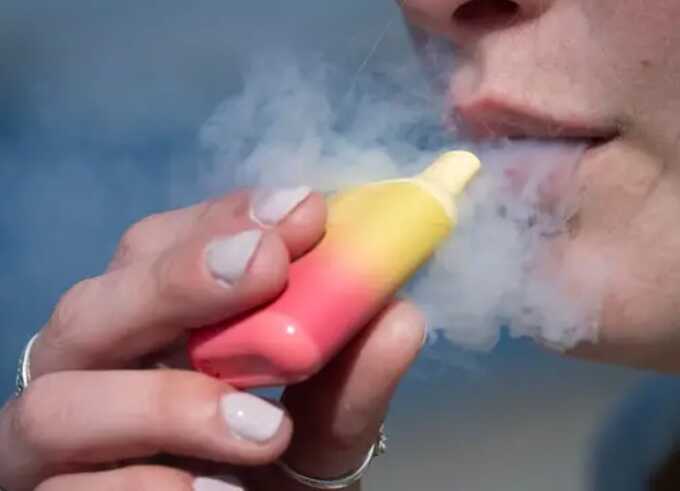
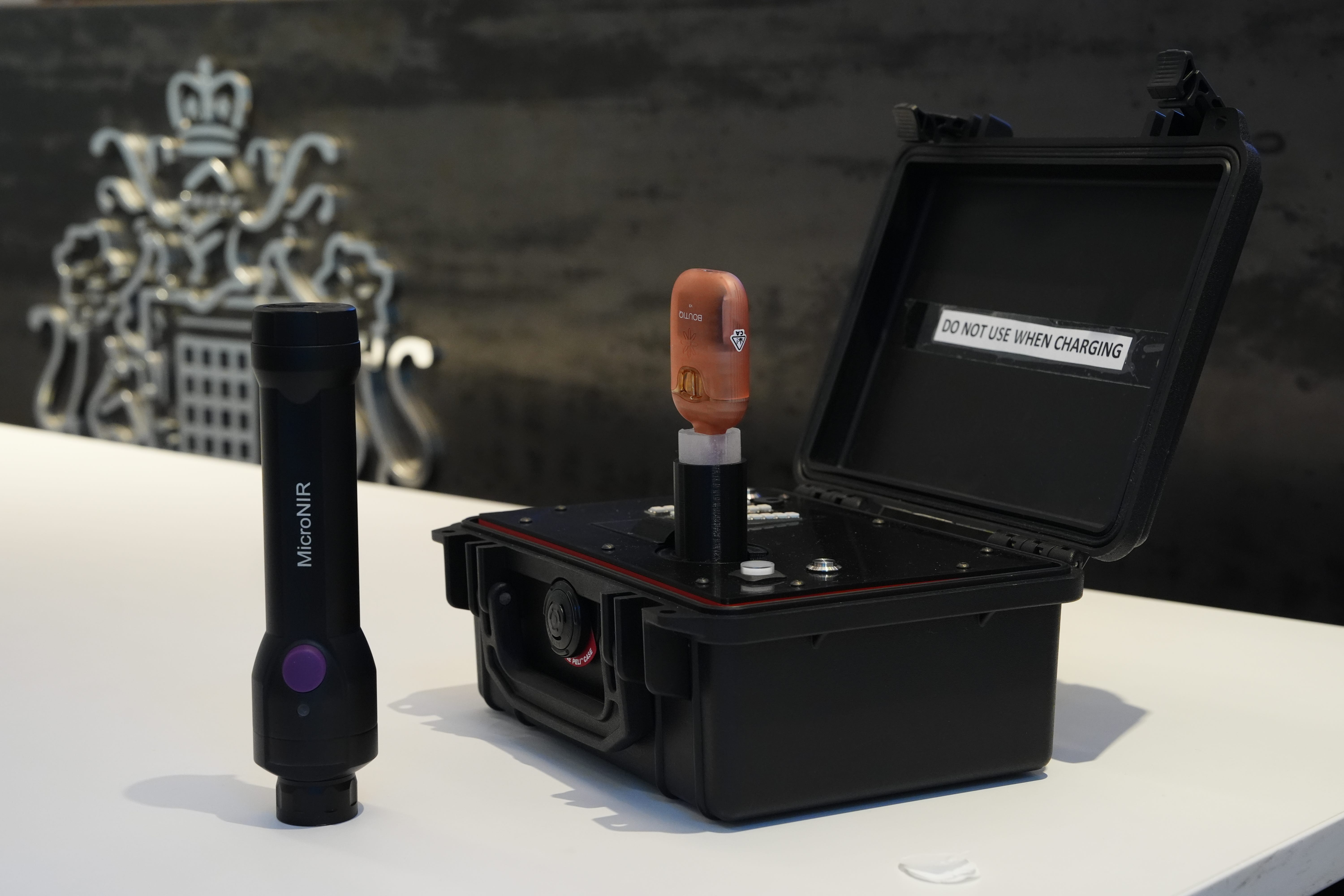
New vape-spiking detection equipment is being employed in a crackdown across London, with operations targeting bars, clubs, and party boats.
Children as young as 14 were admitted to hospital after cannabis products were placed in vapes in a case in south-east London, said the Deputy Assistant Commissioner at the Metropolitan Police, Ben Russell.
The technology, which has been used in nightclubs, festivals, concerts, and schools, enables rapid testing of vapes suspected of containing drugs such as THC or spice, noted the Met.
This is a growing concern for the police following reports of vapes being tampered with, often shared between young people or handed out in social settings, the force added.
The Met is also utilizing a range of mobile drug-testing equipment to assist with rapid drug identification — including near-infrared detectors capable of testing powders and tablets suspected of containing controlled drugs, supported by a mobile phone app.
The force’s Marine Support Unit was joined by Home Office minister Jess Phillips on Thursday as they led an operation patrolling party boats embarking and disembarking at Westminster Pier to identify and prevent offences occurring on the river.
The Met received more than 2,000 allegations of spiking between March 2024 and March 2025, although the force believes the true scope of the crime to be higher due to under-reporting.
The crime disproportionately affects women and girls, with 66% of victims in August 2025 being female. Offenders are most active in and around busy nightlife venues, with 17% of reports linked to Westminster and the West End.

The Marine Support Unit led Operation Albenga in collaboration with the Met’s licensing teams, drugs dogs, safer transport, and central Violence Against Women and Girls (VAWG) team. This operation focused on party boats along the Thames, which are popular with students during Freshers Week.
Officers conducted safety checks, engaged with party-goers, and utilized the vape-spiking detection equipment.
These efforts follow Spiking Intensification Week, a national initiative led by the National Police Chiefs’ Council (NPCC) and Home Office.
’Abhorrent crime’
Mr. Russell said: "Spiking is an abhorrent crime that we are addressing head-on, whether it occurs in a nightclub, a private venue, or on the Thames. The ongoing trial of new vape-spiking detection kits is just one example of how we are innovating to get ahead of offenders and better protect the public.
"This is part of our broader commitment under the VAWG strategy to protect women and girls across London. We are working with partners in licensing, education, and the nighttime economy to disrupt offenders, raise awareness, and, crucially, support victims.
"If you think you’ve been spiked, please come forward — being spiked is never your fault, it’s always the fault of the perpetrator. The sooner we know, the more we can do to support you, collect evidence, and stop dangerous offenders from targeting others."
He added that the force has been requested to visit schools to test vapes for drugs, saying: "We saw an appalling case in south-east London with multiple children as young as 14 hospitalized because cannabis products were placed into their vapes."
Ms. Phillips said: "As students across the country enjoy Freshers Week, we are determined to tackle the vile crime of spiking.
"That’s why we are funding a national Spiking Intensification Week to raise awareness, support police forces in utilizing innovative tactics, and encourage victims to report this crime.
"We are also collaborating with bars, pubs, and clubs to implement specialist training for staff and introducing a new criminal offense for spiking to bring more perpetrators to justice."
Ms. Phillips added that the Spiking Intensification Week cost the Home Office £100,000 nationally and is "to fund, very specifically, the intensification and the assessment of what schemes work".
Former Love Island contestant Sharon Gaffka joined the Met officers and Ms. Phillips on the operation, and recounted her experience campaigning for legislative change after her drink was spiked five years ago.
She said she was having lunch in London with friends when she became unwell and walked to the toilets where she lost consciousness.
Ms. Gaffka expressed her satisfaction seeing the new testing being used by the police, adding: "I got to witness in the briefing room earlier how we’re now updating testing because spiking has evolved. I was drink-spiked, but I’m meeting people who are being spiked with needles, being spiked with vapes.
"If we’re not doing anything, it’s going to keep progressing to the point where we can’t keep up with it. So those are the kinds of changes I was really glad to see today."

World Affairs Correspondent
Read more similar news:
Comments:
comments powered by Disqus