Saudi Arabia and Pakistan sign mutual defence pact
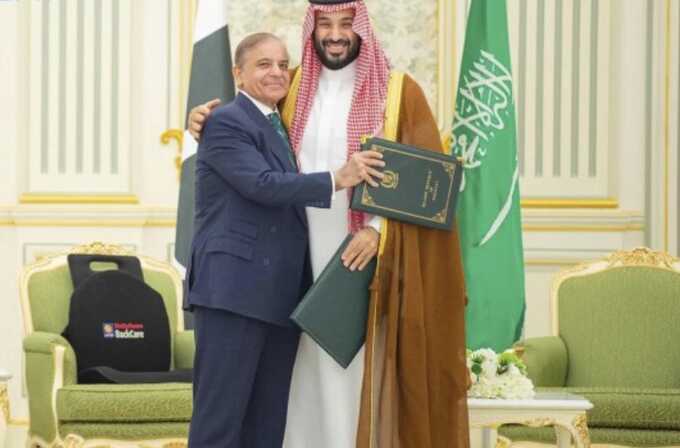
Saudi Arabia and nuclear-armed Pakistan have entered into a mutual defence agreement that considers an attack on either country as an attack on both — a crucial agreement following Israel’s strike on Qatar last week.
The kingdom has maintained strong economic, religious, and security ties with Pakistan, reportedly including funding for Islamabad’s nuclear weapons program during its development. Analysts — and, in at least one instance, Pakistani diplomats — have suggested over the years that Saudi Arabia could be covered by Islamabad’s nuclear umbrella, especially as tensions have escalated over Iran’s nuclear program.
However, the timing of the pact seemed to be a message to Israel, long believed to be the Middle East’s sole nuclear-armed state, which has conducted a widespread military offensive since Hamas’ attack on Israel on October 7, 2023, targeting Iran, Lebanon, the Palestinian territories, Qatar, Syria, and Yemen.
Israel did not immediately respond to requests for comment. The pact is the first significant defense decision by a Gulf Arab country since the Qatar attack. The United States, traditionally the security guarantor for Gulf Arab states, also did not immediately acknowledge the agreement.
A deal signed in Riyadh
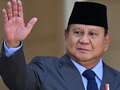
Saudi Arabia’s influential Crown Prince Mohammed bin Salman signed the pact Wednesday with Pakistan’s Prime Minister Shehbaz Sharif.
While not specifically addressing nuclear weapons, the agreement states that "any aggression against either country shall be considered an aggression against both," according to statements released by both Pakistan’s Foreign Affairs Ministry and the state-run Saudi Press Agency.
"This agreement ... aims to develop aspects of defence cooperation between the two countries and strengthen joint deterrence against any aggression," the statement said.
A senior Saudi official, speaking anonymously to The Financial Times, indicated that Pakistan’s nuclear protection was part of the deal, which "will utilize all defensive and military means deemed necessary depending on the specific threat."
Zalmay Khalilzad, a former U.S. diplomat with extensive experience in Afghanistan and Pakistan, expressed concern about the deal, noting it comes at "dangerous times."
"Pakistan has nuclear weapons and delivery systems capable of reaching targets across the Middle East, including Israel. It is also developing systems that can target locations in the U.S.," Khalilzad wrote on X.
A long defence relationship
Pakistan and Saudi Arabia have had a defence relationship that spans decades, partly due to Islamabad’s readiness to defend the Islamic holy sites of Mecca and Medina in the kingdom. Pakistani troops first went to Saudi Arabia in the late 1960s over concerns about Egypt’s involvement in Yemen at the time.
These ties grew stronger after Iran’s 1979 Islamic Revolution and the kingdom’s fears of a confrontation with Tehran.
Pakistan developed its nuclear weapons program to counter India’s atomic arsenal. The two neighbouring countries have fought multiple wars and again came close to open conflict following an attack on tourists in April in Indian-controlled Kashmir. India is believed to possess an estimated 172 nuclear warheads, while Pakistan has 170, according to the Bulletin of Atomic Scientists.
On Thursday, India’s Foreign Ministry acknowledged the Saudi-Pakistan pact and stated it "will study the implications of this development for our national security as well as for regional and global stability." Saudi Arabia also maintains strong ties with India.

Deputy Editor
Read more similar news:
Comments:
comments powered by Disqus