Government explores measures to reduce energy bills ahead of budget
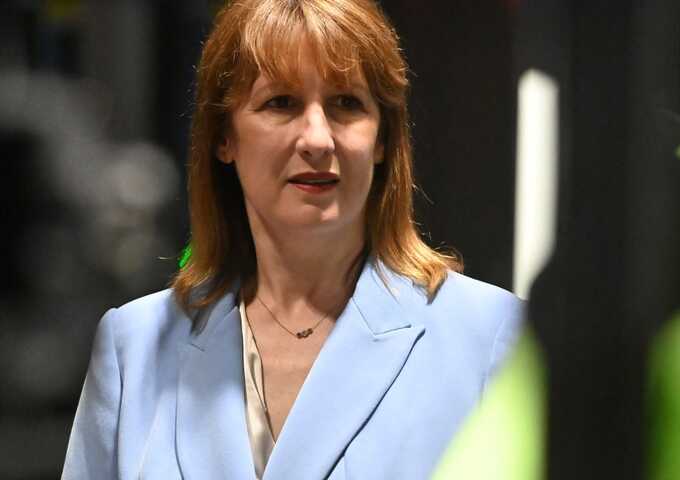
Rachel Reeves is formulating plans to lower household energy bills as part of an economic overhaul.
The Chancellor informed the Cabinet last week that she had instructed officials to devise proposals to reduce bills and alleviate the cost of living.
She stated that "all options were on the table" ahead of the Budget, which might include cuts to green levies or changes to the tax system.
One possibility suggested over the weekend could reduce the five per cent VAT rate on domestic energy bills to zero.
This would save consumers about £86 a year and cost the Treasury an estimated £1.75 billion a year, based on the current energy price cap. However, sources mentioned this was "speculation" and had not been discussed by the Treasury.
A Treasury source said: “The Chancellor told the Cabinet that both she and the Prime Minister are committed to tackling inflation, addressing the cost of living crisis, and taking serious measures to reduce energy bills.”
Experts cautioned that eliminating the five percent VAT on energy bills would be "regressive" because the greatest advantage would go to wealthier individuals with higher energy bills.
Tax specialist Dan Neidle stated: “People with the lowest incomes certainly spend a higher proportion of their income on energy. The solution is targeted assistance or subsidies for that group, not a VAT cut across the board.”
It is anticipated that Ms. Reeves will raise taxes to address an estimated £40 billion gap in the public finances in the Budget on November 26.
Sir Keir Starmer reorganized his top team earlier this month by appointing three economic experts to oversee the Chancellor, who will engage in work on taxation and spending decisions this fall.
No. 10 is seeking policies to alleviate living costs and has been urging Ed Miliband’s energy security and net zero department to develop viable proposals.
Among the potential measures being considered were easing green levies, averaging about £215 a year on household bills.
Nevertheless, there is skepticism in Whitehall about whether Ms. Reeves can afford such a package.
Ministers are concerned that Labour might lose further ground to Nigel Farage’s Reform party unless it addresses energy bills and the cost of living.
Mr. Farage has promised to abolish the net zero target, which he blames for higher energy bills and deindustrialization.
Kemi Badenoch, the leader of the Conservatives, has stated her party would remove restrictions on oil and gas drilling in the North Sea if elected. Her plan resembles Donald Trump’s election pledge to “drill, baby, drill” and pursue new oil and gas exploration.
Mr. Miliband, who is under pressure to reverse his moratorium on new exploration licenses in British waters, has previously committed to reducing energy bills by £300 by 2030, partly by transitioning to more energy from wind farms.
However, there is concern within the Government that support for net zero policies will decline as consumers face higher energy prices this winter.
Labour maintains that its initiative to nearly eliminate fossil fuels from the power system by 2030 will lower bills. However, the only political timeframe that matters for Sir Keir is whether that occurs before the next general election in 2029.
Industry sources indicated that a package to reduce energy prices would be welcomed to help overcome a “hump” where prices rise before they fall.

Editor-in-Chief
Read more similar news:
Comments:
comments powered by Disqus