New ban prohibits under-16s from buying Red Bull and Monster
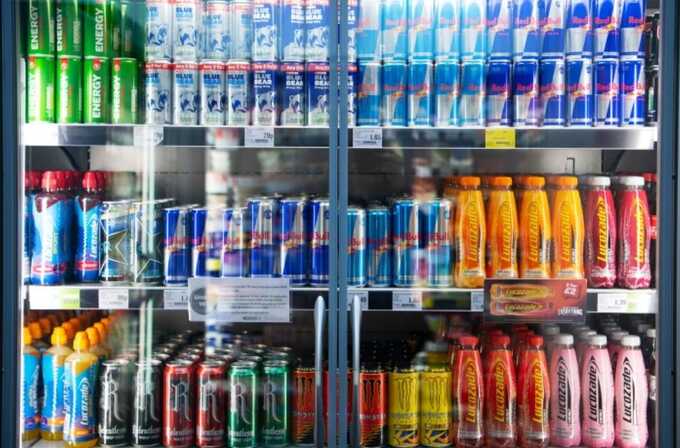
Under-16s in England will be prohibited from purchasing energy drinks such as Red Bull and Monster because they contribute to obesity, cause sleep issues, and hinder concentration.
Health experts, teaching unions, and dentists welcomed the ban and stated it would improve the health of children and young people. It fulfills a pledge Labour included in its manifesto for last year’s general election.
“How can we expect children to do well at school if they have the equivalent of a double espresso in their system every day?” said Wes Streeting, the health secretary.
“Energy drinks might seem harmless but the sleep, concentration, and wellbeing of today’s kids are all being impacted, while high sugar versions damage their teeth and contribute to obesity.”
Shops, cafes, restaurants, and websites will be prohibited from selling energy drinks containing more than 150mg of caffeine per liter to anyone under 16. That will affect drinks such as Red Bull, Monster, Relentless, and Prime Energy and force their makers to reformulate their products.
For example, a 250ml can of Red Bull contains 80mg of caffeine, the same as one espresso or two cans of cola. Tea, coffee, and soft drinks containing lower amounts of caffeine will be unaffected.
It is unclear when sales to under-16s – including from vending machines – will become illegal. The ban will be enforced using secondary legislation under the Food Safety Act 1990.
Supermarkets voluntarily stopped selling the drinks to under-16s in 2018. But some smaller convenience stores still allow under-16s to buy them. Drinks containing more than 150mg of caffeine per liter already carry warning labels that they are “not suitable for children.”
“High-caffeine energy drinks have no place in children’s hands. This is a common sense, evidence-based step to protect children’s physical, mental, and dental health,” said Katharine Jenner, the director of the Obesity Health Alliance.
The success of preventing young people from buying alcohol and cigarettes showed that age-based restrictions work, Jenner added. “Age-of-sale policies like this have a proven record of reducing access to products that are not suitable for children.”
Teachers have voiced concern about how energy drinks have left young children “bouncing off the walls in lesson time” after consuming them on their way to school.
Bridget Phillipson, the education secretary, said the move would help tackle the “scourge of poor classroom behavior,” which is caused in part by “the harmful effects of caffeine-loaded drinks.”

Deputy Editor
Read more similar news:
Comments:
comments powered by Disqus