Scotland drug deaths dropped last year, but the crisis is far from over
The release of Scotland’s latest drug death statistics is an annual event that has become tragically routine.
Thousands more families left grieving - once again - and another drugs minister is brought before the cameras to offer apologies and promises.
Maree Todd is the fifth minister with this responsibility in five years.
“I’m desperately sorry,” Todd said, before promising that her government is doing everything it can to address this issue.
The latest figures show 1,017 deaths for last year. This is actually a 13% decrease and is the lowest number of fatalities recorded since 2017.
But the drugs minister admits this is not a reason for joy or celebration.
There was a drop two years ago, and at that time, the drugs minister, Elena Whitham, announced that the Scottish government was turning a corner.
That was followed by a 12% increase last year.
Early forecasts based on suspected drug deaths in the first half of this year suggest that the next drug deaths report will show another increase.
The trend seems to be that the number of people dying in Scotland rose to an unprecedented level from about 2015 to 2022.
Since then - despite tens of millions of pounds spent on the problem - the numbers remain worryingly high, and Scotland continues to be the drug death capital of Europe.
More than 7,000 people have now died since the Scottish government declared this a drug death emergency back in 2019.
This crisis now represents what could be the single biggest and deadliest failure of policy in Scotland since devolution.
The problem is exacerbated in Scotland by what’s known as ‘polydrug use’ - in other words, people taking multiple substances every day.
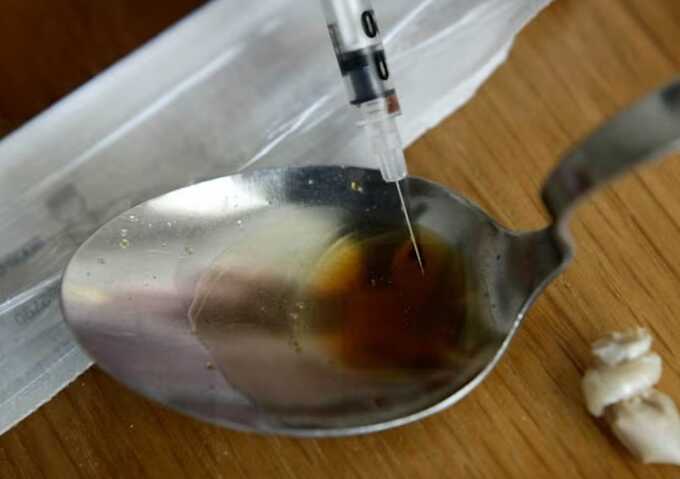
This is reflected in the toxicology reports of those who died, showing the presence of various drugs, including heroin, methadone, benzodiazepines, cocaine, and etizolam.
These are often combined with alcohol, creating a deadly cocktail that causes the body’s organs to shut down.
There’s also the new threat of nitazines emerging on the streets - they’re a type of synthetic opioid similar to fentanyl that swept across America with devastating effects.
The Scottish government has taken some bold steps to turn this crisis around.
In Glasgow, the UK’s first-ever drug consumption room was opened earlier this year.
Called ‘The Thistle’, it is a place where users are allowed to inject their own drugs in front of medically trained staff.
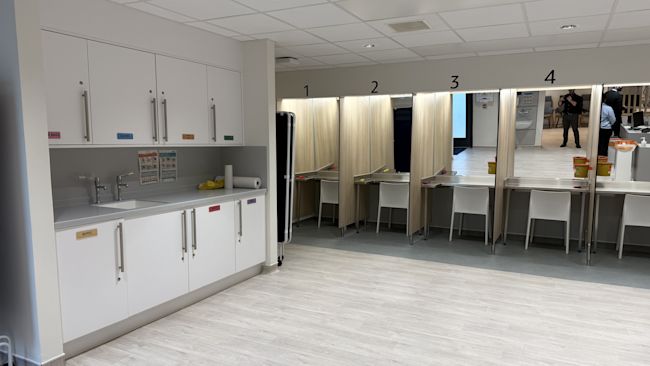
So far, 337 people have used the service, and 48 medical emergencies have been treated, resulting in zero deaths.
Having just one drug consumption room located in one part of Glasgow is not enough to significantly impact the national picture for this drug death crisis, but there are early signs it is making a difference to those who rely on it.
There are now plans to expand this service to include a drug consumption room in Edinburgh as well.
The forecasts of another rise in drug deaths next year illustrate how much the Scottish government is now swimming against the tide.
Having watched the numbers escalate to such a high level on their watch, they’re struggling to regain control.
And this year’s decrease in deaths is a fragile, temporary reprieve - there is no ‘victory’ in sight.
Editor-in-Chief
Read more similar news:
Comments:
comments powered by Disqus