Sterling slumps as investors lose confidence in UK’s fiscal plans
The value of the pound experienced its largest single-day drop in months as the cost of 30-year government borrowing reached its highest rate since 1998.
The yield on UK government bonds—also known as gilts—spiked to the highest level since 1998, at 5.698 per cent, indicating it is more expensive for the Government to borrow from financial markets.
Gilt yields move inversely to the value of the bonds, meaning their prices decrease when yields increase.
The pound plummeted as the bond sell-off intensified, with sterling falling 1 per cent to 1.34 US dollars and 0.6 per cent lower at 1.15 euros.
This indicates that the pound sterling is headed for the biggest one-day decline since April when US President Donald Trump announced country-specific tariffs, alarming markets.
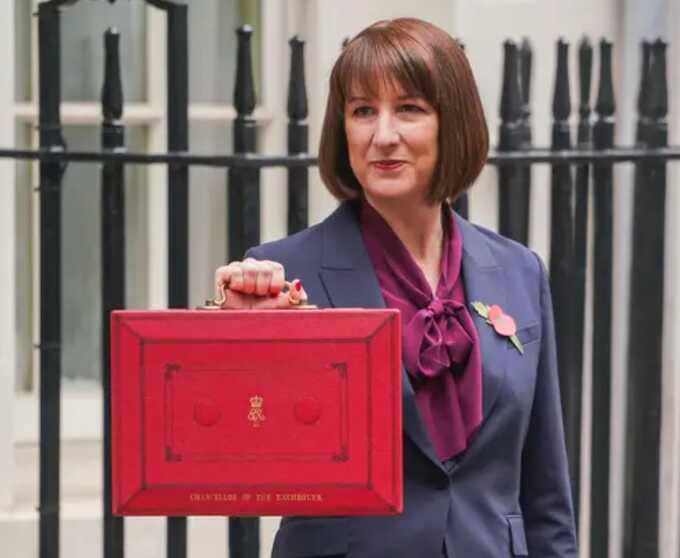
This occurs as concerns grow over the UK’s finances, with Ms. Reeves attempting to address an estimated £51 billion deficit.
The higher gilt yields exacerbate the issues, raising the cost of servicing the Government’s debt.
Government bonds have also come under pressure globally, with yields rising across the United States and Europe.
However, the UK faces specific domestic challenges ahead of the autumn budget, with concerns that Ms. Reeves will need to increase taxes and cut spending to balance the books.
The value of the pound remains higher than it has been for much of the year. In early September 2024, one pound was worth $1.31.
This comes as Sir Keir Starmer restructured his Downing Street team to enhance the government’s economic capabilities ahead of the autumn budget, leading to speculation that Ms. Reeves’s role may have been reduced.
Monday’s reshuffle saw the Chancellor’s deputy, Darren Jones, take on a new role as chief secretary to the Prime Minister.
Sir Keir also appointed Baroness Minouche Shafik, a former Bank of England deputy governor, as his chief economic adviser, and senior Treasury official Dan York-Smith as his principal private secretary.
However, in an interview with Sky News on Tuesday, Home Secretary Yvette Cooper denied that the Chancellor had been "sidelined," stating that the scenario was "quite the reverse."
She said: "I think the Prime Minister and the Chancellor have always worked extremely closely together and continue to do so."
Neil Wilson, UK investor strategist at Saxo Markets, said: "The market move was a sign that investors do not have confidence the Treasury will adhere to its strict borrowing rules."
"30-year yields at their highest in nearly three decades is not a good sign for the Labour government, and emphasizes that there is little fiscal or economic credibility left."

Head of Investigations
Read more similar news:
Comments:
comments powered by Disqus