Jeremy Hunt's Budget unleashed new wave of austerity as living standards fall
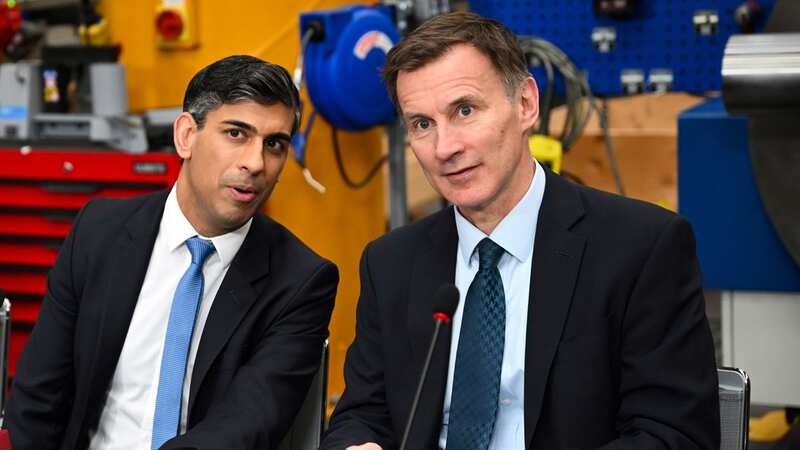
Jeremy Hunt has unleashed a fresh wave of austerity after the Tories presided over an alarming drop in living standards since 2019, experts warn.
Overnight analysis of the Chancellor's Budget reveal already struggling public services will have to make billions of pounds of cuts. Meanwhile by next year, experts found, real disposable income will have fallen by a huge 0.9%. This makes it the first Parliament in modern history to oversee a fall in living standards.
The Resolution Foundation found that 78% of personal tax cuts announced by Mr Hunt will benefit the richest half of households. And pensioners are set to pay the price of the Tories desperately trying to woo young voters - losing an average of £770 a year.
Whoever draws up the next Budget will be forced to wrestle with "implausible" spending cuts, with a £19billion black hole opened up in public finances. It comes as Mr Hunt tried to deliver big tax cuts in a last throw of the dice before the country goes to the polls.
Although he said that spending on public services will rise in real terms by 1% overall, this will not be shared equally between departments. This means some will have to make brutal cuts in order to balance the books.
 Rishi Sunak slammed for 'fly posting' as he leaves poster on historic building
And the alarming research found it will take until 2026 for real average wages to go back to 2008 levels - which has been dubbed a "staggering near-two lost decades of pay growth". Researchers found that if pay had risen at the level it did before the financial crisis, the average worker in 2023 would have been around £14,000 better off.
The Resolution Foundation's chief executive, Torsten Bell, said spending priorities from the 2010s, when the Tories unleashed a wave of austerity, are being 'rehashed'. He said: "The £19 billion of cuts to unprotected public services after the next election are three-quarters the size of those delivered in the early 2010s.
"The idea that such cuts can be delivered in the face of already faltering public services is a fiscal fiction. Budgets are always a big day for Westminster, but the big picture for Britain has not changed at all. This remains a country where taxes are heading up not down, and one where incomes are stagnating."
And in a dire warning to whoever is Chancellor at the next budget, Mr Bell said: “Big tax cuts may or may not affect the outcome of that election, but the task for whoever wins is huge. They will need to both wrestle with implausible spending cuts, and also restart sustained economic growth – the only route to end Britain’s stagnation.”
Overnight analysis found that there has been "notable" redistribution from the old and rich to the young and poor, with around £9billion of tax cuts announced. But researchers pointed out these are "dwarfed" by tax rises that came into effect last year, with £19billion coming between 2025 and 2027.
Since 2019, the Resolution Foundation found, tax and benefit policies mean typical households are likely to be £420 better off. Those headed by someone under 45 will gain around £590, while those over 66 lose out on around £770.
This is coupled with a drop in disposable income. Mr Bell said: “It has been a frenetic few years for tax policy making, with huge rises and cuts announced in quick succession. Middle earners have come out on top, while taxpayers earning below £26,000 or over £60,000 will lose out. The biggest group of losers are pensioners, who face an £8 billion collective hit.
“Looking at all policy changes announced this parliament reinforces the sense that the Government has reversed course from the approach that dominated during the 2010s. Back then, support was focused on pensioners and takeaways on poorer, younger households. This time it is those aged over 65 and on the highest incomes who are set to lose most."
Read more similar news:
Comments:
comments powered by Disqus