Most pupils leave school without key financial skills, survey of teachers shows
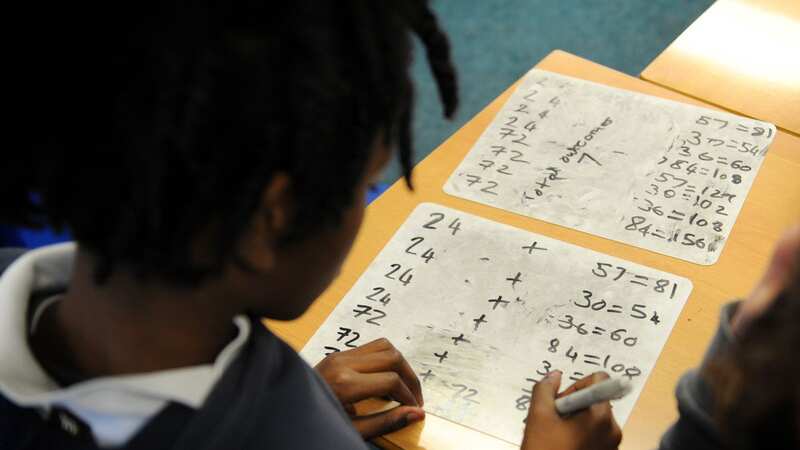
A survey has revealed that three out of four teachers believe most students leave school without the necessary money skills.
The poll, conducted by the Money and Pensions Service (MaPS), suggests that hundreds of thousands of young people could be leaving school each year without being financially prepared. The survey involved 1,012 UK teachers and found that 76% agreed that most young people leave school or college without the money skills they need for adulthood.
More than one in four (26%) teachers believe financial education should start at nursery, while 44% said children aged between 5-7 should start learning about money and 19% said between ages 8-11 was best. The MaPS is urging for financial education to begin early on in children's lives.
Nearly four in five (79%) teachers believe that other subjects are given more importance than financial education, causing students to leave school or college without necessary money skills. About a quarter of teachers feel they lack the confidence or skills (25%) to teach financial education, or they don't know where to find the right support and resources (26%).
The complexity of financial topics and products (20%), sensitivity around money (18%), and lack of interest from young people (15%) were other reasons listed by teachers.
 Nursery apologises after child with Down's syndrome ‘treated less favourably’
Lisa Davis, who works on policies for children and young people at the MaPS, said: "Teachers have a unique insight into young people's lives and their message is clear; too many miss out on the money skills they need. This could mean that every year, hundreds of thousands exit the school gates for the last time completely unprepared for managing their finances."
She warned: "It leaves them less likely to understand financial products, save or talk about money. They're also more at risk of making poor financial decisions, leaving the UK's future financial wellbeing hanging in the balance."
Geoff Barton, the boss of the Association of School and College Leaders (ASCL), said: "Although there are some elements of financial education on the curriculum already, there is widespread acknowledgement that this needs to go further. It's vital that young people are able to navigate the world safely and securely when they leave school or college, and having the skills needed to make good financial decisions is an important part of this."
Sarah Hannafin, head of policy at school leaders' union NAHT, said: "Schools want to provide the children with a broad and balanced curriculum which prepares them for the opportunities and responsibilities of adulthood. Financial education is a vital part of that as it can help protect children from increasingly complex financial harms including gambling, scams, in-game purchases and online exploitation.
She added: "Financial wellbeing is also important in supporting children and young people's mental health. But it can already be challenging for schools to cover the National Curriculum and qualification specifications in the time available, and this is exacerbated by government policies and high stakes accountability measures focusing on particular subjects."
A Government spokesperson said: "High quality financial education is key to making sure young people have the knowledge and financial skills to make important decisions later in life. Financial literacy within citizenship is compulsory for 11 to 16-year-olds in the national curriculum, so young people are taught about the importance of personal budgeting, savings, money management and calculating interest."
"Being financially literate relies on a solid understanding of maths and we have reformed the curriculum and invested £100 million in the Maths Hubs programme. The Advanced British Standard will see all young people study maths and English to 18, giving them the essential skills they need to succeed."
Read more similar news:
Comments:
comments powered by Disqus