Bad lockdown eating habits cause surge in childhood obesity set to cost £8bn
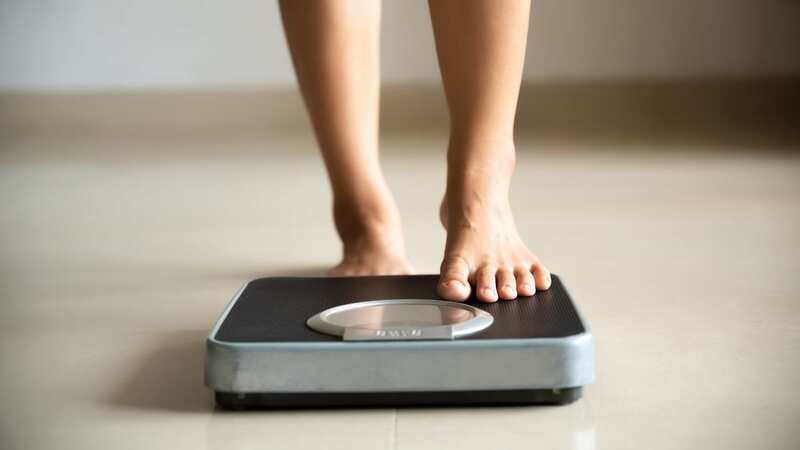
Bad habits which led to weight gain in children during the pandemic will end up costing society an extra £8 billion, research shows.
Damning research outlines the lifelong impact on secondary school age pupils which will influence their reliance on the NHS and ability to earn a living.
Obesity rates in England surged among four to five-year-olds and those aged 10 to 11 according to data from 2019/20 to 2020/21 at the height of the spread of Covid-19. More recent figures show a slight drop during primary school but the proportion of obese children aged 10 to 11 is still higher than before the pandemic.
Author Prof Keith Godfrey, of Southampton University, said that although obesity levels have dipped, the overall trajectory is still that obesity in older children is rising. He said: "The Covid obesity rates have reverted to approximately pre-pandemic levels in the Reception age children but not in the older children.
“We think that's because the behaviours associated with increased rates of childhood obesity - reduced physical activity, poor diet and so on - become more embedded in the older children. Younger children reverted back to habitual diet, habitual levels of physical activity."
 Teachers, civil servants and train drivers walk out in biggest strike in decade
 Lockdowns saw a surge in obesity rates among children (Getty Images/iStockphoto)
Researchers calculated that extra costs of weight gain are set to climb because overweight and obese children and teenagers tend to become obese adults. This includes money spent by the NHS on treating the complications of obesity, such as type 2 diabetes and heart disease, and the fact that obese people more often die early.
The study, published in the journal PLOS One, concluded that rising obesity during the pandemic could be put down to the effects of staying indoors a lot. The authors said: “The majority of children were schooled from home, the cancellation of organised sports and recreational activities reduc(ed) physical activity, and there were effects on children's sleeping schedules and screen time.”
Prof Godfrey said early intervention to prevent childhood obesity needs to become a "national priority".
Read more similar news:
Comments:
comments powered by Disqus