Enlarged prostate symptoms - six key signs as King Charles plans hospital visit
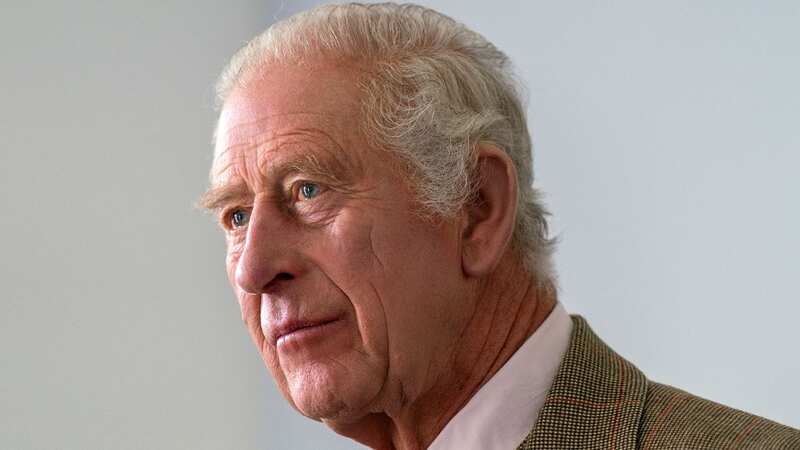
The King is set to undergo treatment for an enlarged prostate next week and will postpone public engagements to recover, Buckingham Palace has announced today.
King Charles III has been diagnosed with a benign enlarged prostate and is scheduled to have a corrective procedure in hospital. His Majesty will not attend engagements for a 'short period'. The King, 75, is keen to raise awareness of the condition and its commonality.
A statement from officials read: "In common with thousands of men each year, The King has sought treatment for an enlarged prostate. His Majesty's condition is benign and he will attend hospital next week for a corrective procedure. The King's public engagements will be postponed for a short period of recuperation."
The news comes as the Princess of Wales recovers in a private London hospital after undergoing 'planned abdominal surgery' yesterday. It is unknown exactly what procedure Kate had but Kensington Palace has confirmed the condition was non-cancerous.
What is an enlarged prostate?
An enlarged prostate is an increase in the size of the prostate (a small gland located between the penis and bladder). It can affect how you urinate and may put pressure on the bladder, causing difficulty peeing or emptying your bladder. If the enlarged prostate is benign, it's not cancer and is usually not a serious threat to health.
 Kate Middleton swears by £19.99 rosehip oil that helps 'reduce wrinkles & scars'
It is unknown what causes it but, according to the NHS, it's believed to be linked to hormonal changes and age. Treatment for an enlarged prostate will depend on how severe your symptoms are, and you may be advised to make lifestyle changes - such as drinking less alcohol, caffeine and fizzy drinks; exercising regularly; and limiting artificial sweeteners intake.
A person with an enlarged prostate may be recommended medicine by a health professional to reduce the size of the prostate. Surgery is only recommended for moderate to severe symptoms that have not responded to medicine.
What are the symptoms?
An enlarged prostate is the most common reason for urinary problems in men as they get older. Here are six of the main symptoms, according to Prostate Cancer UK:
- A weak flow when you urinate
- Feeling that your bladder hasn't properly empty
- Difficulty starting to urinate
- Dribbling urine after you finish urinating
- Needing to urinate more often, especially at night
- A sudden urge to urinate - you may sometimes leak before you get to the toilet
What does King Charles have?
The King has been diagnosed with an enlarged prostate that is benign, which means it is non-cancerous. He will undergo a 'corrective procedure' in hospital next week and will postpone his public engagements for a short period of time afterward to recuperate. His Majesty is keen to share his diagnosis to encourage men to get any symptoms of this nature checked with a medical professional.
Read more similar news:
Comments:
comments powered by Disqus