Eight essential jobs to prepare your home for freezing temperatures
A freezing weather warning has been issued for the UK and before the cold snap hits experts say Brits should complete these eight "essential" jobs.
The Met Office has currently issued a yellow weather warning for snow in some areas of the UK, with freezing temperatures set to cover the country from the start of next week. With this type of weather, Brits are being warned that they need to prepare their homes not only so they can cope with the harsh winter conditions but to also prevent sky high energy bills this month.
One property expert at Barratt Homes says it's "really important" to get your home safe and energy efficient before temperatures plummet. Rhoddy MacKinnon, construction director at Barratt, said: "Tackling these tasks, such as inspecting insulation and boilers, means that you could avoid expensive, unexpected bills.
"With energy prices rocketing, making your home warm and cosy will cut the cost of your energy bills. It's not only a savvy move financially but is also environmentally responsible. By taking steps to seal any draughts and optimise your heating system, you’ll be contributing to a greener, more sustainable future."
Test smoke alarms
The first task people should take on before the cold spell is to test their smoke and carbon monoxide detectors. Rhoddy explains that this should be a regular monthly task to take on but tests before icy spells are important. This is because fire risks heighten in colder weather as items like heaters, generators and candles can help you navigate freezing temperatures, but they can also expose your home to increased risks.
 Shop prices 'are yet to peak and will remain high' as inflation hits new heights
He said: "To test that they are working, simply check and change the batteries which can be found in the back of the detectors, then press the button on the front to trigger the alarm. If you have a fireplace or log burner, check that these are in full working order and give them, as well as your chimney, a deep clean.
Check the attic and roof
Rhoddy noted that insulation in your attic should be checked for any damage to keep your home warm during the autumn and winter. When checking you should look out for tears, draughty areas, or musty smells as these are all signs your insulation needs changing or repairing.
He added: "In your attic, you should look for any watermarks or dark patches. These can indicate the presence of rot, sagging, or signs that sunlight is seeping in due to disrepair. By checking the tiles and condition of your roof, you can rectify any issues before they become more severe and costly."
According to Barratt Homes, the average cost for blanket insulation ranges from £125 to £420, whereas blown fibre insulation costs range from £1,375 to £4,125, with both depending on the size of your home.
Clean the gutters
You should regularly make sure your gutters are clear throughout the year - particularly in preparation for the winter. Removing any debris, such as leaves or moss, from your gutters can ensure rainwater can flow preventing water build up which could cause leaks in your home.
Rhoddy says you should use a hosepipe or jet wash to remove any small pieces of debris which you may have missed. By doing this you can also reveal if you have any leaks, water drips or flows in your gutters. Rhoddy added: "We recommend that you use a verified company. We would guard against using tradesmen who knock on doors to offer their services to avoid potential scammers. In the UK, the average cost for replacing guttering around your home ranges between £480 and £720, as materials, size and shape affect the prices."
Check for draughts
With energy prices still sky high, Rhoddy says it is also good to check your windows and doors for draughts. Cool air seeping through could mean that the seals are damaged which could make your house colder as heat will seep out through the cracks. It could also make your energy bills more expensive as you will use more energy to heat up your home.
Rhoddy explains: "To check, run your hand around windows, doors, and skirting boards. You can also listen for rattles or whistles in high winds. To make your home draught-free, apply caulk or a draught excluder around the window or door. Hanging heavy curtains and using sausage draught excluders also helps to keep the cold out. You can pick-up curtains and draught excluders quite cheaply at charity shops and discount stores."
Check the boiler
Rhoddy says as the colder months approach, demand for plumbers increases, so he highly recommends checking your boiler as "early as possible" to avoid needing repairs during peak demand. He added: "You should also look at the pressure gauge on your boiler, if it is lower than one bar, this indicates your boiler is not working efficiently. The average boiler repair cost is £300, so it’s important to check that it works properly."
Bleed the radiators
Bleeding your radiators is the best way to keep them heating your house efficiently. To know if your radiators need bleeding, check if they are heating up correctly or for any cold spots which are found either at the top or bottom of the radiator. These cold spots are pockets of trapped air inside the radiator system which prevents hot water from circulating.
 8 money changes coming in February including Universal Credit and passport fees
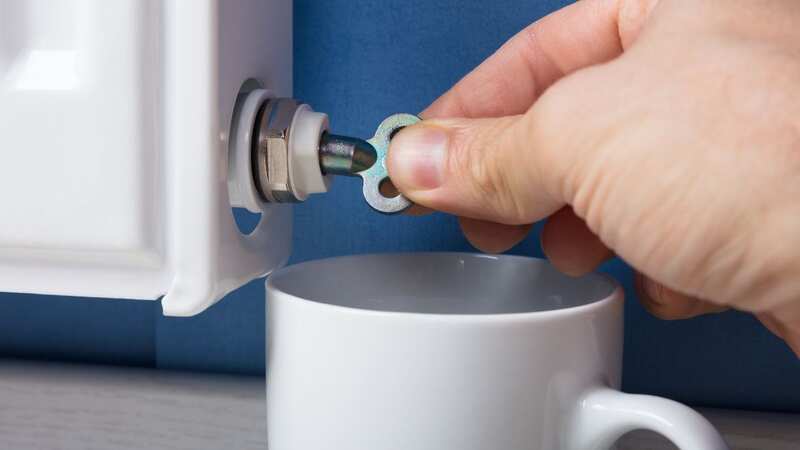
Rhoddy explains: "To start this task, turn your boiler off and ensure that the radiator is cold. Use a radiator key and insert it into the valve and slowly turn it anti-clockwise; a hissing noise should be heard, and once you see water, close the valve. To prevent the water spilling onto your floor from the bottom of the radiator, place a container underneath the radiator."
Updating insurance
Rhoddy says now is a good time as any to check what your home and contents insurance covers as cold snaps have the potential to cause damage to your home and belongings. Update your policy if you have made any significant changes, including any large purchases, such as electronics or bikes. He added: "As we head into the worst of winter, it is worth ensuring your home covers leaks or storm damage."
Install a smart meter
To manage your energy usage over cold spells, Rhoddy says you should consider installing a smart meter. He said: "Fitting a smart meter will give you real-time information on your energy use, enabling you to better manage your usage, so you can save money and reduce emissions. Better still, because they communicate directly with your electricity supplier, no one will need to read your meter."
Read more similar news:
Comments:
comments powered by Disqus