One 'nanodrug' could help treat 2 of the UK's biggest killers, experts say
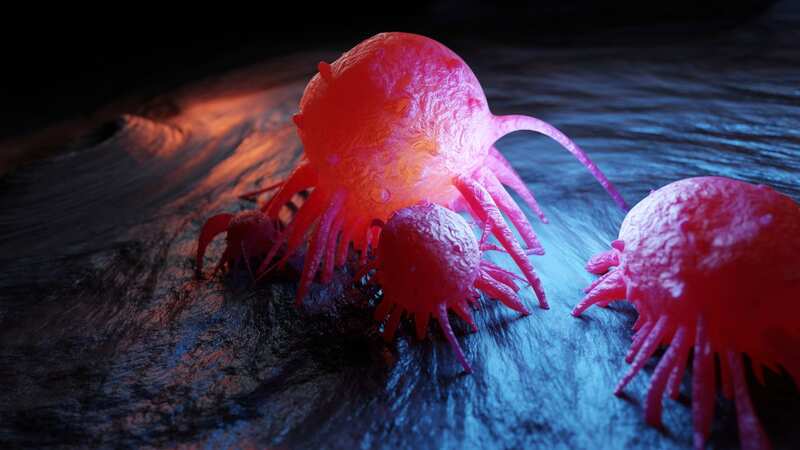
New research suggests that “nanodrugs” developed to fight cancer could also help tackle one of major causes of heart disease.
The nanoparticle drugs fight tumours by targeting the body's own immune cells - but these tiny “trojan horses” would be used to treat both cancer and heart disease in future - according to Dr Bryan Smith, of Michigan State University. He explained that “Because of the parallels between cancer and cardiovascular disease, cancer nanodrugs may be strong drug candidates to treat cardiovascular disease and vice versa.”
Atherosclerosis is the name given to a build up of fatty plaques in the arteries, which can cause them to harden and narrow, stopping blood flow to the rest of your body. Because cancer and atherosclerosis are both inflammatory diseases caused by over-activity in the body’s immune system, both could respond well to the nanodrugs - which target the immune system, Dr Smith said.
“The possibility of applying the same drug to two different patient populations offers big financial and risk-reduction incentives. It also offers the potential for simultaneous treatment for patients with both diseases,” Dr Smith wrote in The Conversation.
 More than 3 million Brits suffer from atherosclerotic heart disease (Getty Images)
Drugs that target immune cells to make them kill tumours can also be used to clear dead and dying cells in atherosclerosis, according to previous research published in the journal Nature. Currently atherosclerotic heart disease is suffered by more than 3 million Brits, according to Government figures - meanwhile 3 million in the UK also currently live with cancer. This number is set to rise to 5 million, experts predict.
 Warning as popular food and drink ‘increase risk of cancer death by up to 30%’
Researchers are studying the possibility of using nanotubes, carbon particles that are 10,000 times thinner than a human hair to treat both diseases. Dr Smith described how the nano particles can be used to carry drugs into a tumour like a “Trojan horse”. So far studies have looked promising, with immune cells caring the tubes persuaded to naturally hone in on tumour cells because of the inflammatory response, according to a paper published in the Journal of Immunology.
A separate study published in Nature Nanotechnology showed the nanotubes could be used to deliver a therapy that causes immune cells to destroy plaque debris in the arteries - this could reduce the risk of atherosclerosis. More research is still needed, Dr Smith cautioned, but “patients will be the beneficiaries of better therapies that can treat both” in future, he hopes.
Read more similar news:
Comments:
comments powered by Disqus