Everything we know about 'Juno' Covid mutation that's now world's most dominant
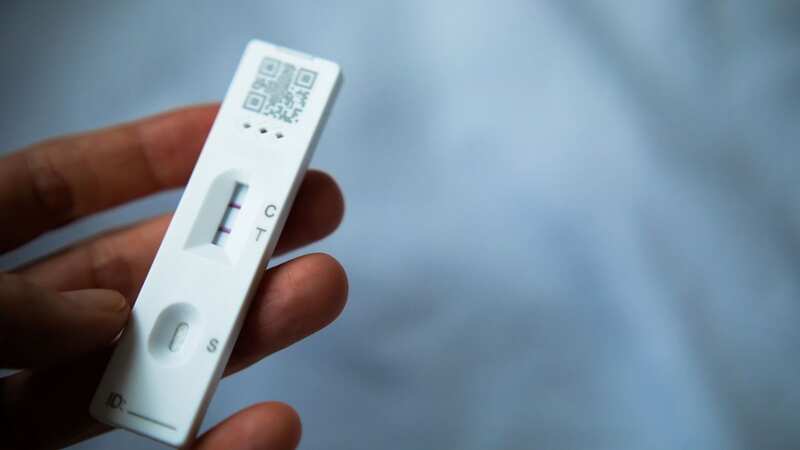
The latest Covid mutation to emerge has taken over - now accounting for almost two-thirds of positive cases, it's been confirmed.
JN.1 cases have exploded in recent weeks becoming the world's most dominant strain despite being just 4% of cases in early November. It's suspected that socialising over the Christmas and New Year period has helped fuel the rise of the variant.
Also named the 'Juno' strain, it accounted for 65% of all UK Covid-19 cases on December 30, health bosses say. With that in mind, here is everything you need to know about Britain's most dominant variant which scientists have said is the most contagious of all.
Where did it come from?
The strain was first detected in Luxembourg in August before spreading to the UK, US and other European countries. It's a close relative of the 'Pirola' strain, formally known as BA 2.86, differing only by a single spike protein.
“The rapid rise of infections with the JN.1 variant in the UK and across the world is yet another reminder that the pandemic is far from over. JN.1 is one of the most immune-evading variants to date and is likely to be the lineage from which new variants will evolve,” said Professor Lawrence Young, a virologist at Warwick University.
 Teachers, civil servants and train drivers walk out in biggest strike in decade
It's the most contagious yet
Of the 10 or so sub-variants, the JN.1 has been described as the most infectious spreading like wildfire from one person to the next. However, this does not mean it is any more severe, and while scientists say all mutations have the potential to make somebody seriously ill, Juno isn't any better or worse.
To demonstrate how infectious Juno is, data shows that only 4.3% of people had the virus on December 13, with numbers rising considerably since then. In the US, it went from 3.5% of all Covid cases in mid-November to around 21% a month later, with the CDC saying it now accounts for more than 60% of cases.
Prof Young said that further indoor mixing and children returning to school after the Christmas break will likely see cases rise further in coming weeks. Based off data from the UKHSA and NHS, scientists said last week that Covid cases may reach new record highs by mid-January.
Are the symptoms different?
Scientists have so far listed eight known symptoms of the JN. variant. They are:
How can I protect myself?
Anyone who has been vaccinated - especially those who have recently had boosters - will have an extra degree of protection, although this isn't 100%. Doctors have urged anyone who is eligible to get their boosters if they haven't already done so.
Dr Heidi Zapata, from Yale Medicine, said: “I would advise getting your updated vaccine, consider masking in certain situations, and if you get sick, please test for Covid because you can get medicine to treat it.” The Juno variant is part of a current 'tripledemic' of the flu and the RSV virus which causes colds.
Anyone eligible should also get their updated flu vaccine, doctors say. People should also make sure to wash their hands regularly, increase ventilation in rooms and wear masks in public spaces such as supermarkets.
Read more similar news:
Comments:
comments powered by Disqus