Deadly cancers killing 8,000 Brits needlessly because of terrible survival rates
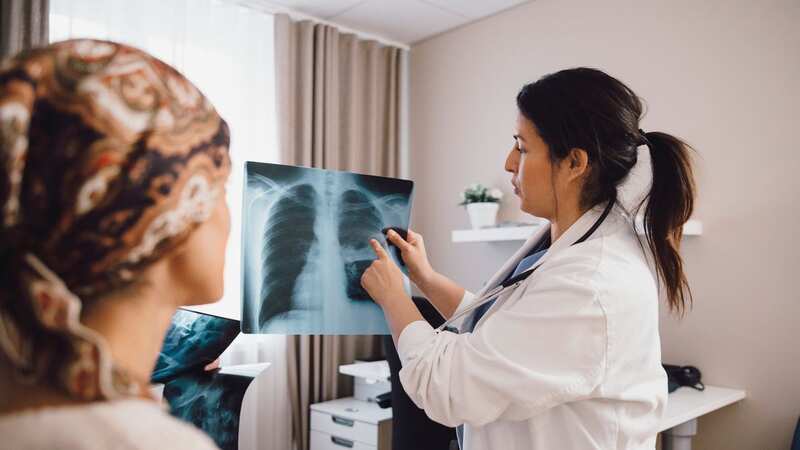
Around 8,000 lives are being lost every year because the UK has some of the worst survival rates for the most deadly cancers.
Damning new analysis shows out of 33 comparable countries the UK ranks as low as 28th for five year survival for both stomach and lung cancer. This country sits 26th for pancreatic cancer, 25th for brain cancer and 21st and 16th for liver and oesophageal cancers respectively.
Anna Jewell, chair of the Less Survivable Cancers Taskforce, which compiled the analysis, said: “People diagnosed with a less survivable cancer are already fighting against the odds for survival. The figures we’re sharing today show that people living in the UK have even worse prospects than those living in comparable countries.”
Researchers analysed the six types of cancer which have an average five-year survival rate in Britain of just 16%. Most patients get the devastating diagnosis too late for the NHS to even attempt curative treatment.
 The analysis shows the UK as towards the bottom of the table (Getty Images/iStockphoto)
More than 90,000 people will be diagnosed with these conditions in the UK each year, and they account for more than 67,000 deaths annually - about 40% of all cancer deaths. The countries with the highest five-year survival rates for the six cancers included South Korea, Belgium, the US and Australia.
 Teachers, civil servants and train drivers walk out in biggest strike in decade
The report found that if survival rates in the UK equalled those of these countries, more than 8,000 lives would be saved annually. The poor performance is likely to reflect delayed diagnoses and slow access to treatment, the task force said.
Prof Angus Dalgleish, of St George’s, University of London, who was not on the taskforce, said: “What we’re witnessing is people who’ve had (cancer) symptoms, they’ve tried to get tests and they’ve been cancelled two or three times.
“By the time it’s sorted, they go to the treatment they’re being treated for a stage three or stage four cancer when they should have been stage two - potentially completely curable. And that is the problem.”
Steven Cliff was diagnosed with advanced oesophageal cancer in 2021. The 50-year-old said: “When I was first diagnosed it felt like the end of my life was imminent, it was terrifying.
“Since then I’ve had surgeries, several rounds of chemotherapy, radiotherapy and the heartbreak of finding out that the cancer had spread to my brain. Two years on and my latest scans show that things are stable and I am slowly beginning to rebuild my life.
“The NHS care I have received since being diagnosed has been exceptional.’ However Steven, from Hampshire, added: “If we could improve early diagnosis for these cancers so people don’t need to rely on the wonderful medical teams who have helped me, then it would make such a difference.”
NHS England highlighted that the data comparison period was from 2000 to 2014. A spokeswoman said: “Cancer survival has never been higher, and the NHS continues to accelerate new ways to improve survival rates for all cancers, including those which internationally have been hardest to detect and treat early.
“Catching cancers earlier saves lives, and our community lung health checks have now diagnosed over 3,000 cancers – three quarters at stage 1 or 2, compared to a third historically. People can help NHS staff to diagnose cancer earlier by contacting their GP if they are concerned about something which may be a symptom of cancer.”
Read more similar news:
Comments:
comments powered by Disqus