'Easiest' way to remove mould from bathroom sealant without scrubbing
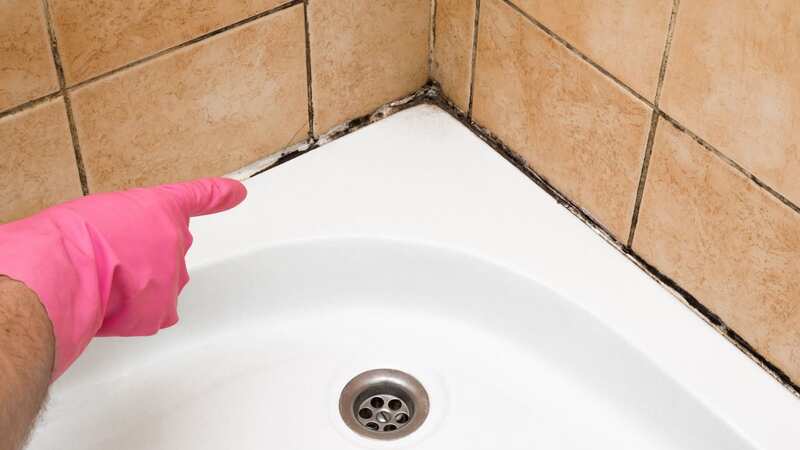
Bathrooms are often plagued by various types of mould - with black mould being the most common and dangerous. The damp environments and surfaces with high moisture levels provide the perfect conditions for mould to thrive.
While regular cleaning and drying of these areas can reduce exposure, there's an easier technique to removing mould from your home than bleaching your silicone sealant. In an exclusive chat with Express, an expert has shared a handy tip on how to clean sealant effectively but with minimal effort.
Homeaglow's cleaning expert Aaron Christensen suggests using a kitchen item that will "save you a trip to the shop for mould-specific chemicals". He said: "The easiest way to clean bathroom sealants is to use some vinegar from your cupboard. Not only will this save you a trip to the shop for mould-specific chemicals, but it will also save you time in making your bathroom safe from bleach or other harmful substances you might use to get rid of mould."
The expert explained that mould is usually found along shower, bath, and sink linings (also known as silicone sealants) because they're used to keep water out of bathroom fixtures. Aaron claimed: "The simplest method to try first is spraying some vinegar over the sealant, taking special care to spray into the corners.
"I recommend spraying over the entire length of your silicone sealant, as it's likely that even if you can't see any mould yet, the warm, damp bathroom environment that caused the mould will be starting to affect the rest of your silicone lining."The lowest-effort way to clean bathroom sealants is to get some vinegar from your pantry.
 Cleaning guru shares why you shouldn't make your bed first thing in the morning
"Not only will this save you a trip to the shop for mould-specific chemicals, but it will save you time in detoxifying your bathroom from bleach or other toxic substances you may use to remove mould."After you have left the vinegar spray to sit and eat away at the mould for at least half an hour, use a damp cloth to wipe off the vinegar and mould." Use a clean cloth to wipe the surface afterwards.
If just using white vinegar doesn't work well, mix it with another pantry favourite: baking soda (around two to three teaspoons). However, this method will require scrubbing unlike the one before. Mix the two into a thick paste and smooth it over the silicone sealant until there is a thick layer covering the mould.
Leave it for five to 10 minutes before scrubbing it in circular motions with a toothbrush. Wet a sponge with cold water to wipe the mixture off. You can even soak a cloth (or toilet/kitchen paper) in vinegar and place it over the paste so it doesn't dry out, this will "increase the working time" of the paste and its "efficacy", claimed Aaron.
If this still doesn't work, it might be time to bring the chemicals out. The expert said: "Bleach is good and you may already have it at home." To create a spray, pour some bleach into a spray bottle with water, using one part bleach to four parts water. Once the lid is on nice and tight, shake well to mix. Then spray onto the mould-covered areas.
Since bleach is more toxic and you've already wiped the rest of the silicone with vinegar, only spray onto the visibly affected areas. You should let this sit until it evaporates. Then, use a clean, wet sponge to scrub it off thoroughly. Families should keep an eye out for large patches of mould, and avoid cleaning these areas themselves as they could be dealing with water damage, a plumbing problem, or a serious mould infestation. In such cases, it's best to call in the experts.
Read more similar news:
Comments:
comments powered by Disqus