People disgusted after learning history behind Christmas mince pies
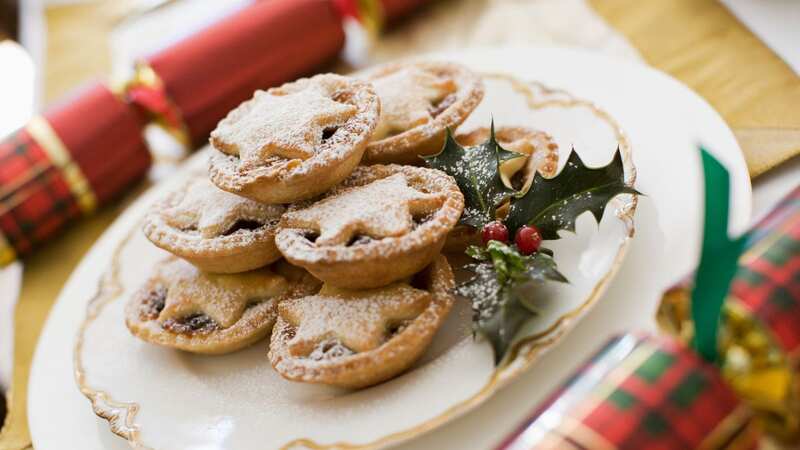
Mince pies – the perfect pastry filled with a beautifully boozy and seductively sweet and savoury fruit mix – is a seasonal treat enjoyed by millions every Yuletide, but its more macabre medieval incarnation has a history that might not be so palatable for some.
Originally containing meat, the less appetising name of 'tartes of flesh’ were, according to a 1390 cookbook, made with pork, hard-boiled eggs, cheese, spices, saffron, and sugar. Fast forward to 1615 and the recipe saw an entire leg of mutton and three pounds of suet added to the mix, along with salt, cloves, mace, currants, raisins, prunes, dates, and orange peel.
Says Veronique Greenwood in her BBC article on the pastry: “In Tudor times they were rectangular, shaped like a manger and often had a pastry baby Jesus on the lid. They were made from 13 ingredients to represent Jesus and his disciples and were all symbolic to the Christmas story.”
She continues: “As sugar became cheaper and easier to get, thanks to the rise of sugarcane plantations in the West Indies, sweet pies seem to have grown more common. In 1861, Mrs Beeton's Book of Household Management gave instructions for a meat-free sweet version alongside a meaty one. And by the Victorian era mince pies were firmly in the sugary camp.”
And if you’re a lover of the liquor laced pies then imagine the canned mince pie filling during Prohibition-era Chicago, which saw its alcohol levels spike to more than 14%, making for a very merry Christmas indeed.
 Dr Michael Mosley shares exercise that can cut cholesterol and blood pressure
Cut to today and we all know it’s what’s inside that counts, and while mince pies have (thankfully) changed from meat to sweet over the years, morphing rather marvellously from the ground-mutton offerings into today’s tiny tempting tartlets, the casing was merely edible in days gone by, not even intended to be eaten but more of a way of keeping filling intact.
According to Janet Clarkson, author of Pie: “A well-baked meat pie, with liquid fat poured into any steam holes left open and left to solidify, might even be kept for up to a year, with the crust apparently keeping out air and spoilage.” While this seems hard to believe in today’s ‘best before date’ era, It was, according to Clarkson: “such a common practice that we have to assume that most of the time consumers survived the experience”.
Read more similar news:
Comments:
comments powered by Disqus