Dr Michael Mosley says women feel cold at much higher temperature than men
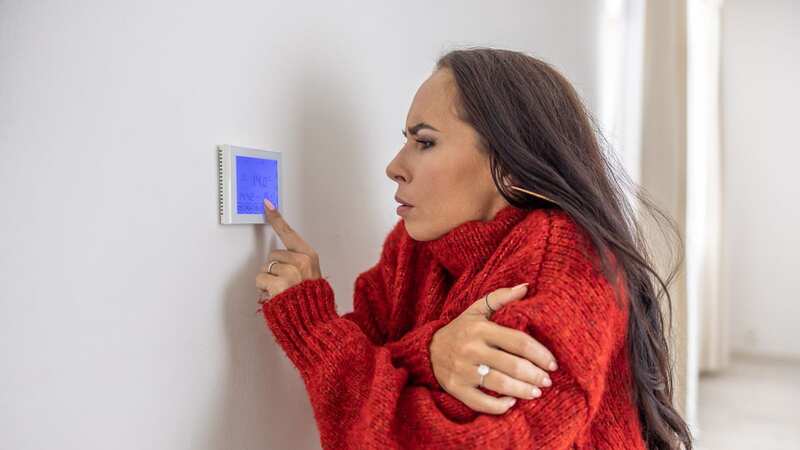
Women start to get cold at three degrees higher temperatures than men on average, TV doctor Michael Moseley says.
The diet and lifestyle expert who popularised the 5:2 diet has been studying how being slightly cold can help us lose weight by boosting metabolism. The BBC’s One Show doctor has reviewed a host of studies showing winter temperatures can be therapeutic - but warns there is a “battle of the thermostat” with most couples.
He told BBC’s Radio 4: "There is a battle of the thermostat which takes place in our house, as in a lot of households. I prefer the cold. My wife prefers the warm. I discovered while making [a new] podcast, this is based in physiology. The expert told me that broadly speaking, there's a three degree difference that women feel the cold. They start to shiver around three degrees higher than men do. So I feel more sympathetic.”
 Dr Michael Mosley (Getty Images)
Dr Mosely’s research for his Cold Therapy podcast for BBC radio found that compared with our grandparents we live in a state of “thermal monotony” - with centrally heated homes, gyms and offices now the norm. That our bodies are rarely required to adapt to cold temperatures is bad news for mental and physical health, he found.
When we start to cool, the body prepares to maintain a constant temperature of about 37C through a process of internal shivering where heat is produced internally as muscles contract. This "non-shivering thermogenesis" sees stores of ‘good’ brown fat found mostly around the neck and upper back start to burn calories to stay warm.
 Dr Michael Mosley shares exercise that can cut cholesterol and blood pressure
Dr Moseley, who also created the Fast 800 calorie eating plan, said: "There was a study where they took a group of type 2 diabetics, and they asked him to stay in around 14 degrees for 10 days, they became what's called cold adapted because when you are in a cold temperature, you start to produce this stuff called brown fat and brown fat is absolutely stuffed with mitochondria. You burn more calories, but it also helps to improve your insulin sensitivity. There appear to be some genuine science and reasons why you might want to be a little bit cooler."
If we get even colder, our muscles begin to contract and expand around vital organs in an attempt to generate heat - in other words we shiver. Energy expenditure when we shiver can sometimes be up to five times higher than a normal resting state as muscles burn fuel in the form of sugar or fat to stay warm.
Dr Moseley said being cold enough to shiver constantly is not required but recommends intermittent blasts of cold exposure. This could mean setting the thermostat a few degrees lower or exercising outdoors instead of at the gym can bring about benefits.
He said: "The cold isn't always the enemy. It is something we can at times work with and harness in ways that can help our health and wellbeing."
Read more similar news:
Comments:
comments powered by Disqus