Optical illusion shows whether you like to be punctual or love freedom
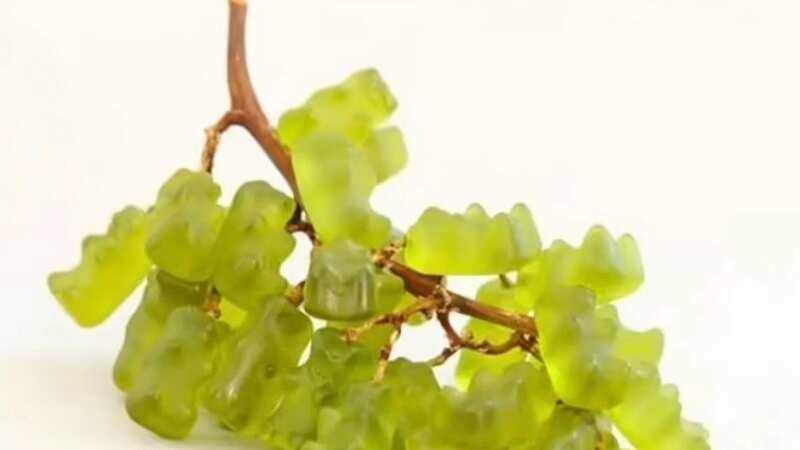
This freaky illusion can tell if you love routine or freedom - and people feel exposed by how accurate it is.
Optical illusions and other brain teasers and puzzles aren't just a fun way to spend some time, they can also teach you something about how your brain works. Some even reveal what kind of personality type you possess, as they often rely on quick-fire assumptions your brain makes to assess you.
This evolutionary quirk means that what we see is actually hundreds of milliseconds behind reality, as our brains have to process and interpret the images - as well as react to them - as rapidly as possible.
Because our brains rely on assumptions based on information we already possess to do this so quickly, it can reveal which way your brain automatically leans and may tell you something about your personality - and it can also show you some of your potential blind spots.
 Optical illusion unearths whether you like to be punctual or love freedom - what do you see? (@mia_yilin/TikTok)
The good news is that regularly examining optical illusions - and other puzzles - can improve your attention to detail, critical reasoning, and problem-solving skills, with studies even showing that daily puzzles can help keep your brain healthy and minimise the cognitive decline that can come with aging.
 Strictly's Molly Rainford and Tyler West fuel romance rumours while on tour
This optical illusion was first posted by a content creator, Mia Yilin, on TikTok - who is well-known for her interpretive illusions. What you see first may tell you whether you are an organised person who prioritises punctuality or the kind of person who puts freedom above the constraints of routine.
If you see gummy bears first, Mia explains in her video, '"then you are a very organised and punctual person. You value productivity and always try to maximize your time."
However, if you see grapes at first look then "you long for adventure and freedom," she noted, adding that those who see grapes initially "find peace with nature and prioritize quality over quantity when it comes to relationships."
This type of optical illusion is called a literal illusion - both images exist inside the overall picture - and they are deemed to be the simplest kind of optical illusion. Cognitive and physiological illusions rely on overstimulation and contradictory information to create the trick, but literal optical illusions compress two images together to reveal something about your perception.
According to Big Think, "Scientifically, literal optical illusions offer insight into the nature of human perception." Experiments conducted on them have shown that age can even impact how people respond to them and what they see first and that for some people it "took only a few seconds before they saw both [images] while others struggled for minutes, if not hours," to see both options.
Which did you see first? Let us know in the comments below.
Read more similar news:
Comments:
comments powered by Disqus