Immunologist names one food swap she makes to have an illness-free winter
If you're trying desperately to avoid catching a cold then these expert-backed tips are for you.
It's that time of year again, when pretty much everyone seems to have come down with some kind of lurgy and the cold, unappealing weather means that most people are trying to stay as warm as possible - leaving windows shut and rooms lacking in ventilation, which can become a breeding ground for passing germs around.
The good news is that an immunologist has come forward with their best tips to avoid colds and flu this winter, and they're both intuitive and easy to incorporate into your daily routine.
Speaking to the i Paper, immunologist Dr Jenna MacciochI shared what she perceives as the most important things you can do to stay healthy all winter long - and one of them is an incredibly easy swap: eating seasonally.
Dr. Macciochi explains that this is because plants are as impacted by the shorter days and lack of light as we are, so opting for things that are in season can mean that they are more nutrient-rich than food that are out of season.
 Tips to stop windscreen freezing and prevent blades from sticking to window
"Our wellbeing intertwines with the changing seasons. Just as we adjust to the subtle shifts in temperature and daylight, so do the plants we eat. This is why I make a conscious effort to align my diet with the season," she explains.
"As sunlight decreases, plants stop making food and begin to save energy to get through until spring. Their energy goes back to their roots and certain phytochemicals are higher, for example, carotenoids.
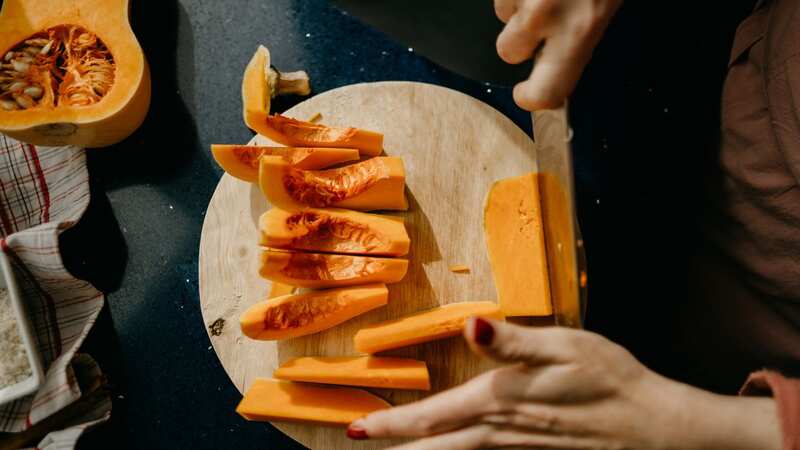
"Right now I'm focussing on orange seasonal produce like squashes and pumpkins, which are rich in beta-carotene (plant-based vitamin A, known as the anti-infective vitamin) and are best absorbed with a source of fat".
This means, Macciochi explains, it's time to roast some squash, delicately seasoned with herbs associated with the winter time like rosemary or thyme - which can also have health benefits, she claims, as well as tasting delicious.
The immunologist also recommends ensuring that you're going for foods that are high in vitamin C - ones that are in season of course. These include blackberry and elderberry as well as satsumas - all of which will help support your immune system. She also advises adding some fermented foods to your diet - like kimchi - and making sure that you regularly include mushrooms in your meals because they are "packed with beta-glucans that support immune function".
She also advises swapping out your regular English breakfast tea or coffee for herbal teas to ensure that you're getting enough hydration - something that many of us slip behind on during the colder months when we feel less thirsty.
Do you have a story to tell? Email: [email protected]
Read more similar news:
Comments:
comments powered by Disqus