Expert shares careers that help reduce risk of developing dementia later in life
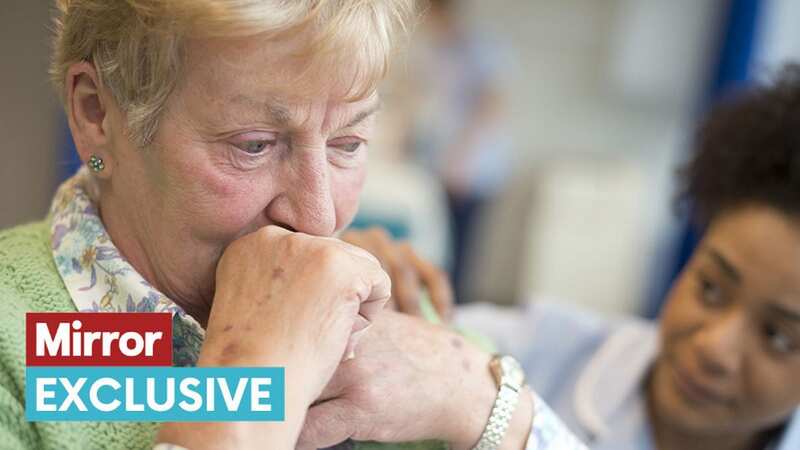
An expert has shared that certain careers can help reduce the risk of developing dementia later in life.
Kevin Jameson, president, CEO and chairman of the Dementia Society of America, told The Mirror that while some types of dementia are influenced by genetics, at least 90% of symptoms manifest due to lifestyle factors.
Jameson explained that jobs with high mental exertion, such as those involving a lot of reading and writing, can decrease the risk of dementia. However, careers with high physical stress have been linked to higher rates of dementia in older workers.
"Reading is a fantastic thing for your brain. Picking up a newspaper, reading the newsprint - or even doing it online or electronically - but feeding yourself new and valuable and hopefully positive news can do wonders for your brain health," he said.
READ MORE: 'Killer mum' appears emotionless as she claims 'I was manipulated by WiFi and Facebook'
 England star Joe Marler reflects on lowest point after fight with pregnant wife
 People with diabetes need to check their blood glucose levels regularly to make sure everything is at a safe level (Getty Images)
He also mentioned that jobs which involve reading the news, such as journalism, politics, finance, and school boards, can be beneficial for the brain. However, he warned that reading or reporting negative news can have harmful effects on the brain.
Being social in jobs like these can also help keep the brain active and reduce the risk of dementia, according to Jameson. "Talking with groups of people helps your brain because when you're conversing with somebody, you not only have to listen to what they're saying but then you also have to formulate a response so there's a conversation," he explained.
 Kevin Jameson, the president, CEO and chairman of the board of the Dementia Society of America
Jameson added that being curious and eager to learn new things are also good for the brain. These traits, along with being social and reading the news, don't necessarily need to be part of a job - they can become daily or weekly habits.
Jameson emphasised the importance of reading and mental stimulation for ageing individuals, stating it's crucial to maintain your senses - getting glasses as eyesight worsens and hearing aids as hearing declines. "Hearing loss, vision loss, sensory loss - like the ability to touch or smell - these are all connected to a decrease in brain stimulation," he explained.
 Reading and mental stimulation is very important (Getty Images/iStockphoto)
He further added, "Essentially, if you don't use it, you lose it," Jameson also said, "It may not be that you're going to stop dementia from coming your way in the future, but you can do a lot to mitigate the risks so you can stave off and possibly outlive it. You basically want to live the best possible life you can before [degeneration] happens."
* An AI tool was used to add an extra layer to the editing process for this story. You can report any errors to [email protected]
Read more similar news:
Comments:
comments powered by Disqus