Sleep apnoea - symptoms of the debilitating health problem battled by Roman Kemp
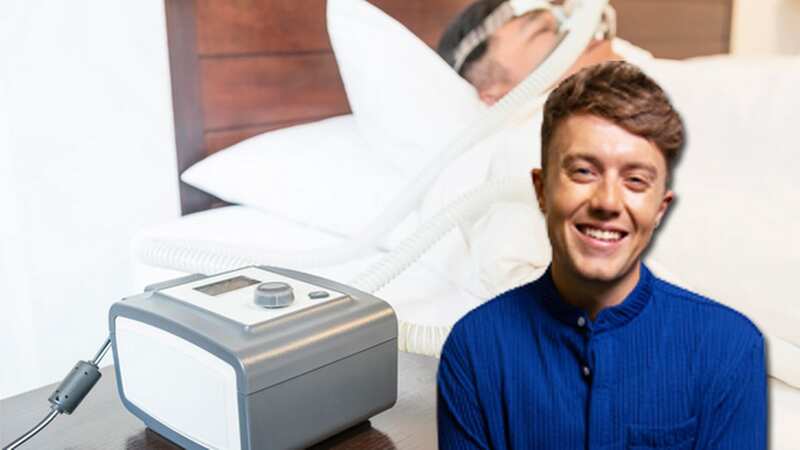
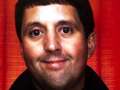
A good night's sleep is a key part of staying well, but can often be hard to come by - just ask Capital breakfast show presenter Roman Kemp.
He suffers from sleep apnoea, which is more common than you might think, with a staggering affected. The most common type is obstructive sleep apnoea (OSA), when your throat relaxes too much during sleep, causing you to stop breathing which briefly interferes with your sleep cycle.
Roman, who has to wear an oxygen mask at night time, said the diagnosis was brought on by his hectic work schedule. He found the disorder so disruptive it caused him to consider quitting the limelight.
The 30-year-old, who has dealt with more than five years of demanding early starts for his show, told the MailOnline last year: "My tiredness levels were debilitating, and they said to me it was because of my job and I said this is different. I was talking with people where I thought I was verging on narcolepsy because I was mid-conversation and would be snoring and not realising, it was very strange. The doctors told me I must wear an oxygen mask".
Interested in helping people recognise symptoms early, has highlighted the most identifiable signs of sleep apnoea, ways to reduce the impact, and when to seek the help of a medical professional.
 Teachers, civil servants and train drivers walk out in biggest strike in decade
What are the warning signs of sleep apnoea?
According to the NHS, these are the signs of sleep apnoea you should look out for in yourself and your partner:
Waking up with a headache
Excessive tiredness during the day
Loud snoring
Making gasping or choking noises
Breathing, stopping and starting
What is the main cause of sleep apnoea?
According to the , many things can link to sleep apnoea, such as:
Smoking
Obesity
Family history
 Greggs, Costa & Pret coffees have 'huge differences in caffeine', says report
Age
A larger neck
Getting a diagnosis
If you suspect you or your partner has sleep apnoea, seek help from your doctor. They may refer you to a sleep clinic, where you'll receive equipment to monitor your breathing and heart rate while you sleep overnight. The test results will determine if you have sleep apnoea and its severity.
How do you fix sleep apnoea?
Here are some lifestyle changes you can make daily to help ease the strain of sleep apnoea and insomnia at night:
Exercising regularly
Losing weight
Spending plenty of time outdoors and in natural light - a simple walk outdoors can be hugely beneficial to your physical and mental health
Avoid drinking alcoholic beverages, or tea and coffee containing caffeine, later in the day as these can negatively affect your sleep quality
If these methods are ineffective, other treatments can include:
A Continuous Positive Airway Pressure (CPAP) machine to wear while you sleep
A gum shield that keeps your airways open while you’re sleeping
Surgery to remove large tonsils
The NHS recommends adults get between seven and nine hours of sleep a night. Habitually missing out on that is well known to increase the risk of several health problems, including diabetes, heart disease and dementia.
Top tips to get the best sleep possible
- Tire yourself out during the day by keeping busy and active - but make sure to take it easy towards bedtime.
- Don't take naps during the day
- It always pays to have an ingrained night-time routine, and to make sure your bedroom is nice and relaxing. This can be achieved by thick curtains or maybe blackout blinds, a comfortable room temperature and cosy bedding. Make sure not to use any electronic devices in bed
- Cut down or, better still, eliminate caffeine and alcohol in the evening
- It is impossible to force yourself to sleep. This is why experts advise the slumber-challenged to get up and do something relaxing for a while, such as reading a book. This will eventually make you feel sleepy
- If you work antisocial shifts, it can be a good idea to enjoy a short nap before your first shift in a run of nights to help with the transition. If you are coming off nights, try a little nap to see you through and then have an early night
Read more similar news:
Comments:
comments powered by Disqus