Whooping cough vaccine - best time to get it explained
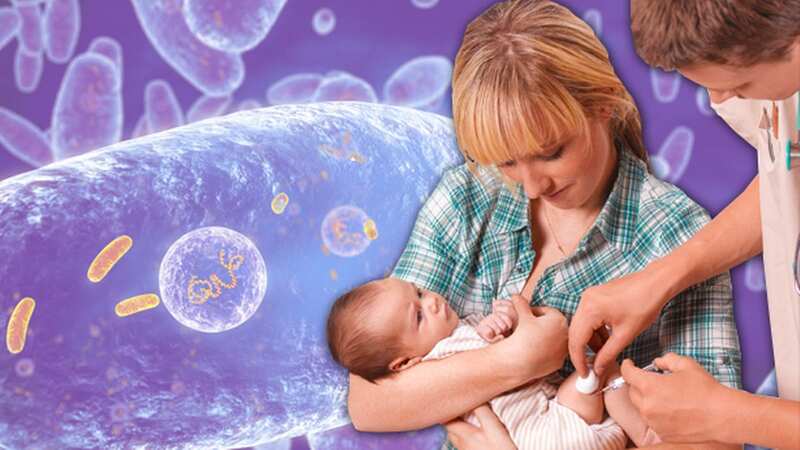
Whooping cough is a highly contagious bacterial infection of the lungs and airways.
It gets its name from the characteristic severe hacking cough followed by a high-pitched intake of breath that sounds like 'whoop'. Also called pertussis, the repeated coughing bouts can last for two to three months or more, and can make babies and young children in particular very ill. It is spread in the droplets of the coughs or sneezes of someone with the infection.
The UK is currently dealing with a whooping cough outbreak - with the number of cases increasing by a sizeable 250 per cent within a year. Between July and November, there were 716 reported cases - three times the number during the same period in 2022. Dr Gayatri Amirthalingam from the UK Health Security Agency said this rise was 'expected'. They explained that social distancing and lockdown measures during the Covid-19 pandemic had significantly impacted the spread of infections, including whooping cough.
Whooping cough used to be very common in the UK. But since vaccinations against the disease were introduced in the 1950s, the number of people getting it each year was, until recently, very small. According to the National Institute for Health and Care Excellence, there were just two cases in 2022 compared with zero and 36 cases in the same quarter in 2021 and 2020, respectively. In people aged 15 years or older, there were seven cases in 2022 compared with 10 and 578 cases in the same quarter in 2021 and 2020, respectively.
Thankfully, deaths associated with whooping cough are rare but most commonly occur in infants. That's why it's so important for pregnant women — and other people who will have close contact with an infant — to be vaccinated against whooping cough, says the Mayo Clinic.
 Teachers, civil servants and train drivers walk out in biggest strike in decade
What are the five symptoms of whooping cough?
Once infected with whooping cough, it takes around seven to ten days for signs and symptoms to appear, though it can sometimes take longer. They're usually mild at first and are very similar to the common cold. They can include:
Nasal congestion
- A runny nose
- Red, watery eyes
A cough
- A fever
Signs and symptoms can worsen after a week or two, with thick mucus accumulating inside the airways, which leads to uncontrollable coughing. Acute and prolonged coughing attacks may:
- Make the person vomit
- Cause extreme fatigue
Result in a red or blue face
- End with a high-pitched and very noticeable 'whoop' sound during the next breath of air
But it's important to remember that many people don't develop the characteristic 'whoop' noise. Sometimes, a persistent hacking cough is the only sign that an adolescent or adult actually has whooping cough, says the Mayo Clinic. Infants may not actually cough at all. Instead, they may struggle to breathe, or in worst case scenarios even temporarily stop breathing.
When to see your GP
Call your doctor if prolonged coughing spells cause you or your child to:
- Vomit
- Turn red or blue
- Seem to be struggling to breathe or have noticeable pauses in breathing
- Inhale with a whooping sound
What causes whooping cough?
A type of bacteria called Bordetella pertussis is responsible for whooping cough. When a person with it coughs or sneezes, tiny germ-laden droplets are blasted into the air and breathed into the lungs of anyone who happens to be nearby.
Who is most at risk?
Unfortunately, the whooping cough vaccine you're given as a child eventually wears off. As such, most teenagers and adults are susceptible to the infection during an outbreak. Infants who are younger than a year who are unvaccinated or are yet to receive the full set of recommended vaccines have the highest risk for severe complications and death.
Complications
Teenagers and adults typically get over whooping cough with no problems. When complications do arise, they tend to be limited to the side effects of the strenuous coughing, such as:
 Greggs, Costa & Pret coffees have 'huge differences in caffeine', says report
- Abdominal hernias
Bruised or cracked ribs
- Broken blood vessels in the skin or the whites of your eyes
How serious is whooping cough?
In infants — particularly those under six months of old — complications from whooping cough are more severe and may include:
Slowed or stopped breathing
- Pneumonia
- Dehydration or weight loss due to feeding difficulties
- Brain damage
Seizures
As infants and toddlers are at greatest risk of complications from whooping cough, they're more likely to need hospital treatment. Complications can be life-threatening for infants younger than six months old.
Prevention
The NHS says the best time to get vaccinated to protect your baby from whooping cough is from 16 weeks up to 32 weeks of pregnancy. This maximises the chance that your baby will be protected from birth, through the transfer of your antibodies before birth. The whooping cough vaccine protects babies and children from getting the infection. This is why it's so important to have all the routine NHS vaccinations.
The whooping cough vaccine is routinely given as part of the:
- 6-in-1 vaccine – for babies at 8, 12 and 16 weeks
- 4-in-1 pre-school booster – for children aged 3 years 4 months
Vaccine side effects
Side effects of the vaccine are usually mild and may include crankiness, a fever, headache, fatigue or soreness at the site of the injection.
Booster shots
- Adolescents. As immunity from the pertussis vaccine tends to wane by age 11, doctors recommend a booster shot at that age to protect against whooping cough, diphtheria and tetanus.
- Adults. Some varieties of the every-10-year tetanus and diphtheria vaccine also include protection against whooping cough. This vaccine will also slash the risk of your transmitting whooping cough to infants.
Preventive medication
The Mayo Clinic says if you've come into contact with someone who has whooping cough, your doctor may recommend antibiotics to protect against infection if you:
- Are a health care provider
- Are pregnant
- Are younger than age 12 months
- Live with someone who has whooping cough
Have a health condition that could put you at risk of severe illness or complications, such as a weakened immune system or asthma
- Live with someone who is at high risk of developing severe illness or complications from a whooping cough infection
Read more similar news:
Comments:
comments powered by Disqus