'We're forgotten' say young people leaving care as homelessness soars by 33%
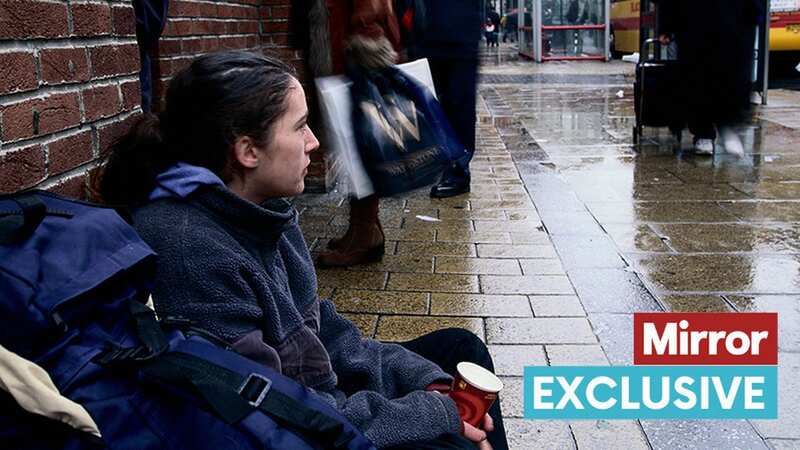
Rising numbers of young people leaving care are being made homeless because of a 'scandalous' lack of support, a charity has warned - as one young woman shared her experience of struggling to find a home.
New figures from the government’s latest Statutory Homelessness in England report show the number of care leavers aged 18-20 who lack a secure place to live increased by an alarming 33% between 2018-19 and 2022-23.
Become, a leading charity for young people who have experienced care, said many were facing a “cliff-edge” drop-off in provision once they turn 17 or 18 - and were suddenly expected to fend for themselves with a limited support network.
 Sophie, a care leaver, said she was forced to move back in with her mum as she struggled to find housing (Supplied)
Gaps in local authority provision have meant the Personal Advisor (PA) system - supposed to provide young care leavers with a guardian until they turn 25 - was failing many, the charity stated, with some receiving as little contact as one phone call every six months. One young woman who spoke to the Mirror told us how she was left with no other option but to move back into her mum’s house after university to avoid being left without anywhere to live, due to a lack of available housing from the local council. It was the first time she had lived with her since she had gone into care at 13, and within eight months she had moved out again, beginning a short spell living with her then partner.
Contact with her PA, who are supposed to help care leavers find somewhere to live, sharply dropped off after university, and by the time they had sorted her social housing she had already moved out. Sophie, 25, is now living in private accommodation with a friend while she works as a mental health nurse - but still worries that she will be left with another difficult situation if her flatmate decides to move out. She said: "I don't feel secure in terms of housing, I'm not really able to settle somewhere. Ideally it'd be nice to have somewhere that is mine, that I could say is my home, and that I'd feel secure."
 Evicted family seeking help 'stranded' inside council office after staff go home
Sophie says other people she knows from living in care have ended up in similar precarious housing situations or have ended up in unsuitable places, and she believes their stories reflect a wider lack of respect and understanding. "It's not spoken about enough, the difficulties that care leavers face in general - and especially with housing. It shouldn't be going on. When councils say that care leavers are a priority, that actually needs to happen. When a tenancy's ending or we're going to university, we're just sort of left - forgotten about", she said.
As well as showing a steep rise numbers of young people leaving care aged 18-20 who experience homelessness or the threat of homelessness, the government’s Statutory Homeless report revealed there were a total of 4,200 care leavers aged 21+ across England who were assessed as homeless or threatened with homelessness during 2022-23. Numbers were highest in the North West.
 Katharine Sacks-Jones, CEO of care leavers charity Become, said the new homelessness figures were 'depressing but not surprising' (Supplied)
Katharine Sacks-Jones, CEO of Become, said the figures were “depressing and not surprising” - and showed the urgent need for change in the system. Her charity has, among other demands, been calling for the government to remove the local area connection test for all care leavers up to the age of 25. This is a mechanism in homelessness help applications which requires anyone receiving support to prove that they had spent some time living in the area before the age of 16. Become are also asking for the rules to be changed so as extend automatic ‘priority need’ to social housing for all care leavers up to the age of 25, regardless of vulnerability.
Katharine said: “Each year, thousands of 18-year-olds face a care cliff where important support and relationships disappear and they are expected to leave care and become independent overnight, often well before they feel ready. Being pushed into adulthood without the right support in place puts young people at risk.”
“Trying to access safe and suitable housing, manage bills and the cost-of-living crisis, whilst also continuing their education or starting work without a safety net to fall back on is a huge struggle. It’s a scandal that our care system is leaving young people at risk of homelessness, but this can be fixed. We want to see an end to the care cliff so that all young people have a positive start to adulthood and make the move into independence when the time is right for them.”
A Department for Levelling Up, Housing and Communities spokesperson said: "We are spending £2 billion to tackle homelessness and rough sleeping over three years, in addition to providing up to £3 million funding to support young people leaving care who are most at risk of homelessness and rough sleeping this year. We are transforming the system to focus on more early support for families, through our Staying Put and Staying Close programmes."
National Care Leavers’ Week will run from Wednesday 25 October to Wednesday 1 November - find out how you can get involved here.
Read more similar news:
Comments:
comments powered by Disqus