Hopes of first ever cancer jab as Rishi Sunak bets on AI breakthrough
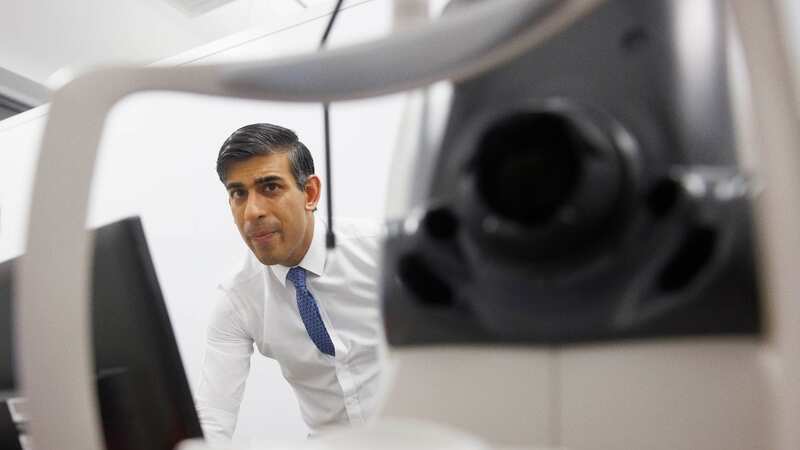
Artificial Intelligence could be used to create a cancer jab but also poses risks to mankind as big as pandemics and nuclear Armageddon, the PM warned.
In a major speech, Rishi Sunak outlined the potential benefits and threats of the technology which he said is “developing at a breath-taking speed”. He said AI could allow for “transformational breakthroughs” in tackling incurable diseases like cancer and dementia, or be harnessed to prevent crop failures to “help us solve world hunger”.
But he also warned the powerful technology came with “new dangers and new fears”. “Get this wrong, and AI could make it easier to build chemical or biological weapons. Terrorist groups could use AI to spread fear and destruction on an even greater scale,” Mr Sunak said. “Criminals could exploit AI for cyber attacks, disinformation, fraud, or even child sexual abuse.”
The PM highlighted a warning from leading AI experts that reducing “the risk of extinction from AI should be a global priority” like pandemics and nuclear war. But, insisting it was "not a risk that people need to be losing sleep over right now", he said he did not want to be "alarmist".
In his speech, Mr Sunak also outlined the "incredible opportunities" AI can bring, including a potential model that can look at a picture of someone’s eyes to diagnose blindness, heart attacks, strokes or Parkinson’s. He gave the example of one company which is helping stroke victims to speak again through technology that turns the movement of their lips into words. AI could help find novel dementia treatments or develop vaccines for cancer. That’s why today we’re investing a further £100million to accelerate the use of AI on the most transformational breakthroughs in treatments for previously incurable diseases,” he said.
 Warning as popular food and drink ‘increase risk of cancer death by up to 30%’
Mr Sunak will host world and tech leaders at Bletchley Park, Bucks, next week for the first ever Global AI Safety Summit. US vice president Kamala Harris is set to be among the senior figures attending the summit, and will deliver a speech on the US approach to AI on November 1 before attending the event on November 2.
The PM confirmed China has been invited, though added he "can't say with 100% certainty that China will be there". Former PM Liz Truss hit out at Mr Sunak following the speech urging him to “reconsider” the invitation to Beijing.
In a letter to the PM, she said she “was deeply disturbed” to learn ministers had invited “representatives of the same Chinese state that has used and abused technology to aid its oppression of millions and attacks on freedom and democracy”. "The regime in Beijing has a fundamentally different attitude to the West about AI, seeing it as a means of state control and a tool for national security,” Ms Truss added.
Earlier in his speech, Mr Sunak defended inviting China. "I know there are some who will say they should have been excluded," he said. “But there can be no serious strategy for AI without at least trying to engage all of the world’s leading AI powers. That might not have been the easy thing to do, but it was the right thing to do.”
Shadow Science, Innovation and Technology Secretary Peter Kyle said: ''Artificial intelligence is already having huge benefits for Britain, and the potential of this next generation of AI could be endless, but it poses risks as well. Safety must come first to prevent this technology getting out of control.
"Rishi Sunak should back up his words with action and publish the next steps on how we can ensure the public is protected. We are still yet to see concrete proposals on how the government is going to regulate the most powerful AI models. A Labour government would set clear standards for AI safety, so that this leading tech can be used to restore our public services and boost growth. Labour would use AI to better diagnose diseases, put more money in people’s pockets and help build a better Britain.”
Read more similar news:
Comments:
comments powered by Disqus