Expert explains winter period fatigue symptoms - and how you can manage it
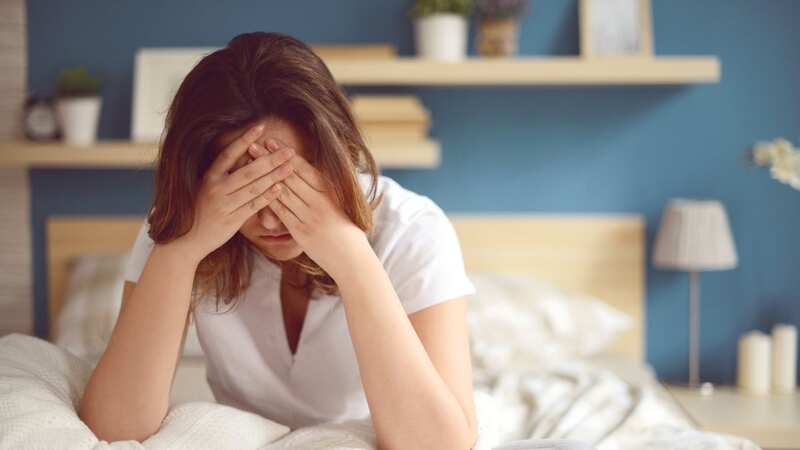
Symptoms including breast tenderness, mood swings and feeling bloated are common in the lead-up to a woman's period - but if you experience extra tiredness during the colder months, you may be suffering from winter period fatigue, according to an expert.
Avril Flynn, pregnancy advisor at Active Iron, said a study carried out by the company found that winter can exacerbate premenstrual symptoms and make you feel even more exhausted. She explained there are a number of factors why period fatigue is worse in winter than in other months - and these include reduced physical activity as well as changes in our diet.
Ms Flynn said: "As your menstrual cycle progresses, you might notice fluctuations in your energy levels, with fatigue being one of the most common symptoms. The monthly hormonal shifts, as well as physiological responses within women's bodies, can lead to heightened feelings of tiredness during specific phases.
"If you find yourself lacking in energy, feeling tired, or generally listless in the days leading up to and during your period, you might be experiencing what's commonly referred to as period fatigue." She added: "With the winter on the horizon and colder weather starting to creep in, research reveals that it is common for you to experience period fatigue in the winter weather more than any other time of year."
Research by Active Iron found that 49 per cent of women experience some form of period fatigue. Ms Flynn said the main symptoms are low energy levels, sleeping longer than usual, a need to nap during the day, and feelings of tiredness or listlessness during the day.
 Teachers, civil servants and train drivers walk out in biggest strike in decade
The expert said one of the main reasons why period fatigue gets worse in the colder months is that people usually do less physical activity. She explained: "Since physical activity improves circulation and releases endorphins, it can help reduce fatigue. When physical activity decreases, the symptoms of period fatigue are increased."
Another reason is seasonal affective disorder (SAD) - sometimes known as "winter depression" as the symptoms are usually more apparent and severe during the colder months. This type of depression comes and goes in a seasonal pattern and the main symptoms can include a persistent low mood, irritability, difficulty concentrating and feeling lethargic.
Ms Flynn said: "SAD is associated with reduced exposure to natural sunlight, which can disrupt circadian rhythms and affect mood. This can increase the fatigue experienced during menstruation."
During the winter months, we also tend to consume more sugar and food that is high in carbohydrates. This change in diet can cause fluctuations in blood sugar levels, leading to energy crashes and feelings of fatigue, said the expert.
According to Ms Flynn, the lack of sunlight during the short winter months is also to blame as it affects our sleeping patterns and internal body clock. In turn, poor sleep quality can lead to an increased feeling of fatigue, she said.
According to the NHS, cold weather leads to greater stress - and spending more time indoors can cause stressful interactions with others. The run-up to the Christmas period can also cause anxiety for many of us. Ms Flynn said: "Stress can amplify period symptoms, including fatigue, making it more difficult to manage during the winter months."
And another factor that may be making your period fatigue worse is dehydration, because when we spend longer hours at home we do not drink as much as we do in summer when the weather is warmer. But despite this, it is important to drink water to prevent tiredness and, in turn, avoid period fatigue.
Experts at Active Iron said: "To try and reduce period fatigue during the colder months, it’s essential to make self-care a priority and keep up healthy habits. This can include maintaining a balanced diet, staying hydrated, incorporating gentle exercise into your routine, managing stress through relaxation techniques, and ensuring you get enough exposure to natural light, especially in the mornings."
Read more similar news:
Comments:
comments powered by Disqus