Call The Midwife slammed as academics demand show broadcast's medical warning
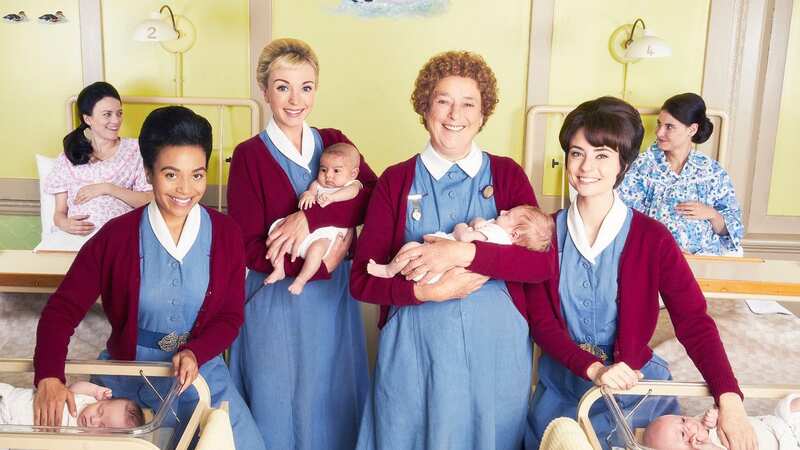
Academics from King’s College London and the University of Liverpool have blasted TV shows including BBC's Call The Midwife for showing "inaccurate birthing practices" - and should come with a warning.
They claim that the misrepresentation could mislead viewers and so should have safety recommendations for watching the shows. Researchers analysed 87 births shown in 48 episodes of Call The Midwife, This Is Going To Hurt and Channel 4’s One Born Every Minute. Academics compared how the depiction of the births compared to modern guidelines from the National Institute for Health and Care Excellence (NICE) were in some cases conflicting.
 Academics slam Call The Midwife of misrepresenting birthing practices (BBC / Neal Street Productions)
While some of the births compared favourably to modern care guidance, they felt that a third of the time, depictions of midwives and doctors clamping the umbilical cord were shown inaccurately, according to the paper which has been published in the journal JRSM Open. Researchers believe that without a safety warning to inform viewers otherwise, the general public and healthcare professionals could think the clamping practices they see are correct.
NICE guidelines state that women should not have the umbilical the cord clamped earlier than one minute after the birth unless there is concern about cord integrity or the baby’s heartbeat. But academics found that in 21 instances clamping appeared to happen immediately or too early. Susan Bewley, Professor Emeritus of Obstetrics and Women’s Health at King’s College London, said: “Millions of viewers watch programmes like Call The Midwife every week to be entertained but the line between fact and fiction is blurred.We are impressed that UK television shows have accurately depicted some changes in childbirth over the last century, but on the other hand they have also provided the public with a picture of poor-quality care when it comes to clamping during childbirth. These inaccurate depictions could influence how people see real-world care."
Susan added: "We saw too early cord clamping in most televised births but no programme informed viewers about the safety aspects.When showing outdated practices, broadcasters have a public health duty to inform viewers that this immediate medical intervention is no longer recommended. No broadcaster would show the sleeping positions associated with cot-death without comment."
 EastEnders' Jake Wood's snap of son has fans pointing out the pair's likeness
Andrew Weeks, Professor of International Maternal Health at the University of Liverpool, added: "Health professionals know that midwives and doctors should not interrupt the flow of blood to the newborn baby nor separate the mother and baby without a pressing reason, and yet this is what is being shown on popular television programmes as common practice. Incorrect depictions like this, however routine, can lead to misinterpretations of correct practice by the public. This illustrates the need for safety recommendations when TV dramas show birthing practices and procedures that are outdated and inaccurate."
But in defence of the content of Call The Midwife, a spokesperson said: "Call The Midwife is a drama, not a documentary, and is set half a century ago. It is highly accurate to the period it depicts, and shows how childbirth has changed radically over the years." The study was published as the charity Lullaby Trust, which raises awareness of sudden infant death syndrome (SIDS), highlighted infection prevention among newborns. It said that parents should avoid letting other people kiss their baby and should always ask people to wash their hands before touching a newborn. Charity Chief Executive, Jenny Ward said: "Even infections that cause mild symptoms such as a common cold in adults and older children can be life-threatening for babies."
Read more similar news:
Comments:
comments powered by Disqus