Ultra-rare 'black bone' disease strikes one in a million with eerie symptoms
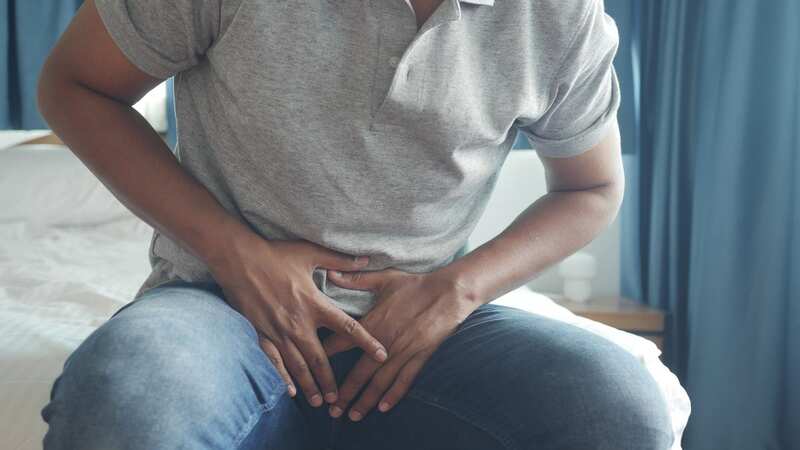
An ultra rare disease which affects one-in-a-million people across the globe can turn urine black and cause severe damage to the bones.
Alkaptonuria, which is also known as black urine or black bone disease, is a rare genetic disorder which can drastically reduce the quality of life from adulthood. The devastating condition prevents the body from breaking down two protein building blocks ( amino acids ) called tyrosine and phenylalanine. It can cause build-up of a chemical named homogentisic acid which can lead to a series of health problems such as heart disease, spinal collapse, kidney stones and more.
Parents usually pick up on the condition by spotting dark stains in their children's nappies after it has been exposed to air after a few hours. However, if the sign is missed from a young age, the disorder may go unnoticed until the person is in their late 20s or early 30s.
 The disorder can impact people more once they hit their 20s (Getty Images/iStockphoto)
There is currently no cure but adults can take a medicine called nitisinone which is used to slow the advance of alkaptonuria. Lifestyle changes have been recommended to help cope with the condition. This includes a protein-controlled diet, and gentle exercise to reduce stiffness and pain relief, reports open access government.org.
Here are some symptoms and side effects to look out for
 Teachers, civil servants and train drivers walk out in biggest strike in decade
Joints and bones
Once an adult hits their 30s they may start to experience issues with their joints. Sometimes surgery such as hip, knee or aortic valve replacement, can be recommended if the joints are damaged.
Eyes and ears
It has been advised to look out for whether brown or black spots appear on your eyes. Another indicator for adults, is the thickening of ear cartilage. Earwax could also look black or reddish-brown.
Skin and nails
The condition can lead to discoloured sweat which can stain clothes. According to the NHS, nails may also look slightly blue or brown. Skin colour changes are likely to be more obvious in areas exposed to the sun or where there are sweat glands such as the cheeks, forehead, armpits and genital area.
Breathing difficulties
Breathing difficulties have also been linked to the condition. If your bones and muscles around your lungs turn stiff, it could stop the chest from expanding which would cause a shortness of breath.
Heart, kidney and prostate problems
People with the condition could develop heart disease and may need heart valve replacements in some cases. This is due to the deposits of homogentisic acid around heart valves which can cause them to narrow and turn brittle and black. The deposits can also lead to kidney stones, bladder stones and prostate stones. For more information on the condition visit the Alkaptonuria Society here.
 Greggs, Costa & Pret coffees have 'huge differences in caffeine', says report
Read more similar news:
Comments:
comments powered by Disqus