Clever trick used at self-checkouts to make shoplifters feel guilty
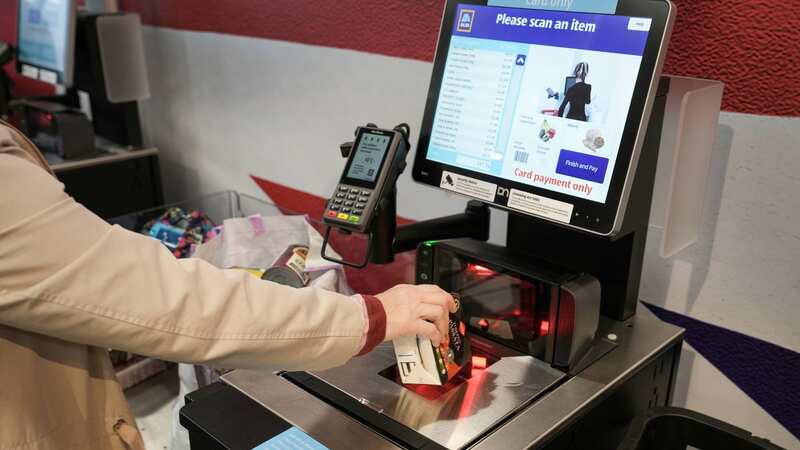
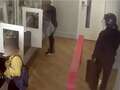
In response to the increasing number of at self-service checkout stations in and other retail outlets, a unique strategy has emerged - mirrors.
They are being strategically placed to evoke guilt and deter potential shoplifters. The approach, first detailed in a 1976 study, published in the journal "Letters on Behavioral Evolutionary Science," has gained traction recently amid an increase in thefts hitting stores nationwide.
The concept is rooted in psychology - mirrors create a sense of self-awareness, prompting individuals to reflect on their actions and potentially feel guilty about committing a crime before they even do it. This psychological deterrent, although not fully understood, has been theorised to influence decision-making, making people less likely to engage in crooked behaviour like stealing or cheating.
READ MORE:
For all the latest news, politics, sports, and showbiz from the USA, go to
 Man in 30s dies after being stabbed in park sparking police probe
 (LightRocket via Getty Images)
When participants were subjected to mirrors, their “private self-awareness was activated” and influenced “decision-making” despite the lack of social cues.
Retailers, grappling with the challenges posed by self-service check-outs, are hoping that this unconventional approach will curb theft. The mirrors are strategically placed at self-checkout kiosks, targeting potential shoplifters by making them confront their actions before committing a crime.
While this method raises eyebrows, experts emphasise that mirrors alone may not be a foolproof solution. Self-checkout systems remain vulnerable to various forms of theft, including barcode manipulation and unauthorised item switching.
Moreover, concerns about customer experience, including feelings of loneliness due to reduced human interaction and issues related to innocent customers being wrongly accused, persist in the ongoing discourse surrounding these automated systems.
According to the simple act of seeing one's own actions amplifies self-awareness, an essential component in gaining control over one's impulses and actions.
Psychology Today argues that mirrors “allowed people literally to watch over themselves” and therefore “made them more likely to behave in a more upright way.”
This phenomenon isn't confined to specific areas; monitoring has a pervasive impact across various aspects of life. Studies have shown that individuals who meticulously track their behaviours, whether it's eating, drinking, exercising, work habits, or even leisure activities like TV and internet use, exhibit better self-control in these domains.
 (Getty Images)
Scams used by shoplifters at the self checkout include weighing meat as fruit, and even scanning dodgy barcodes attached to people’s wrists before walking out without paying, Tellermate reported.
“If you had a retail store where 50 per cent of transactions were through self-checkout, losses would be 77 per cent higher than average,” declared Adrian Beck, a professor emeritus at the University of Leicester in the UK who specialises in retail losses.
Read more similar news:
Comments:
comments powered by Disqus