Rampaging tourist smashes ancient Roman statues saying they're 'blasphemous'
A US tourist has been arrested after smashing ancient Roman statues in Israel he considered "blasphemous" during a rampage in a museum.
The tourist, 40, called the historic statues "in violation of the Torah" during his wrecking spree in a Jerusalem museum. He was arrested by police in Israel yesterday for intentionally damaging ancient Roman statues on display at the Israel Museum. The Jewish man said the statues, of Roman goddess Athena and Griffin, the symbol of pagan divinity, were against the Torah. The museum confirmed that the two artefacts destroyed in the rampage were "ancient Roman statues dating to the 2nd century CE" which are housed in the archaeology wing.
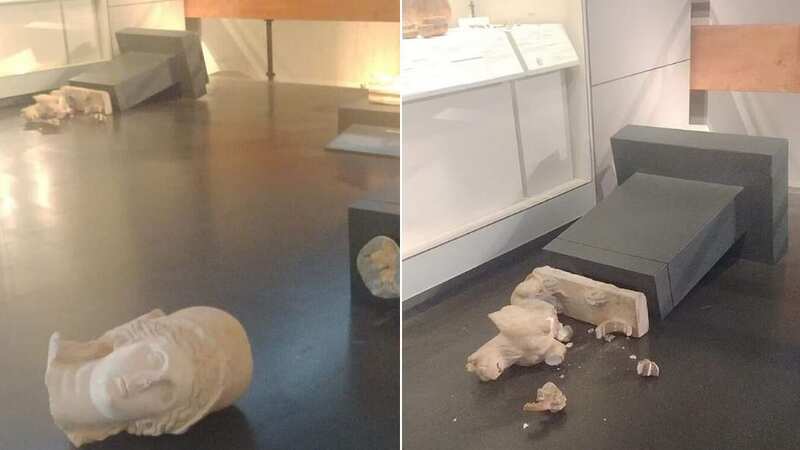
Authorities released images showing the sculptures which had been removed from their pedestals and were left lying on the floor. The statue of Athena had a severed head while the Griffin statue was broken into several pieces.
READ MORE: Tourist filmed climbing into Rome's Trevi Fountain to fill her water bottle
 The Griffin statue was smashed into multiple pieces (Israel Museum)
"This is an unusual incident," the museum said in a statement. "We condemn all forms of violence and hope such events do not happen again."
 Six-year-old dies after driver ploughs into people waiting at bus stop
Eli Escusido, head of the Israel Antiquities Authority, explained: "One statue is a marble depiction of the goddess Athena that was found in excavations at Beit She'an in the 1960s. The second was of the mythological creature Griffin, who was the symbol of divinity in the Roman pagan era and found in the Negev.
 (Israel Museum)
"This is a shocking case of destruction of cultural heritage. We view with great concern the fact that religious extremists take such action."
The tourist was detained by the museum's security forces before the police arrived after he was spotted damaging the statues, which police said have "sentimental" value. Police questioned the suspect, and intend to request for a judge to deny bail.
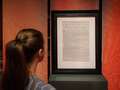
 Israel Museum, the Shrine of the Book fountain (Getty Images)
In their interview, police uncovered the reason behind the rampage. They explained the man damaged the statues because he believed they were "against the Torah", according to a police statement. Torah in Judaism, in the broad sense, is the substance of divine revelation to Israel, the Jewish people - God's revealed teaching or guidance for humankind.
The tourist was apparently referring to one of the Ten Commandments: "Thou shalt not make unto thee any graven image." The museum said the attack was "worrying" and "severe", but noted it would not impact its operations or opening hours.
 (Israel Museum)
The statues have been transferred to the museum's specialist conservation lab for professional restoration, police added. They said the investigation is ongoing and the suspect was taken before a Magistrate's Court yesterday, where his arrest was extended until Monday.
The Israel Museum is the largest cultural institution in the State of Israel. It's ranked among the top art and archaeology museums in the world and holds the most extensive collection of biblical and Holy Land archaeology in the world.
The Jewish autumn festival of double thanksgiving, Sukkot, which starts in September or October is a popular time for tourists to travel to Israel - particularly North Americans. The seven-day holiday began on Friday, September 29 and runs through until Friday, October 6.
Read more similar news:
Comments:
comments powered by Disqus