Food expert names dangerous slow cooker habit that could give you food poisoning
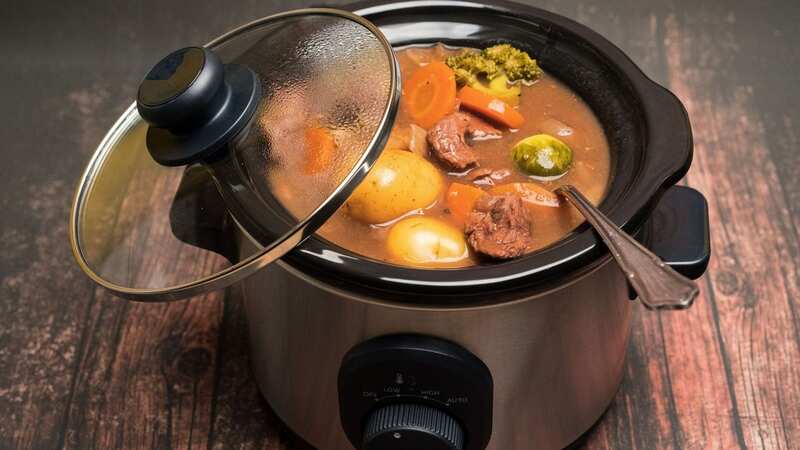
Slow cookers are one of our kitchen heroes; they're convenient, cost-effective and time-saving, making them a big hit in many households.
They usually allow for one-step preparation; putting all the ingredients in the slow cooker saves time and reduces clean-up. And a variety of foods can be cooked in a slow cooker, from soups, stews and side dishes, to mains, meats, and desserts.
But, just like any cooking tool, it's important to take precautions to ensure the food you are cooking is bacteria-free. And there's one common mistake that many people make that can lead to serious food-poisoning.
Placing frozen meats, vegetables or prepared meals in a slow cooker is definitely not recommended, as it may take them too long to fully thaw and begin cooking.
This can mean leaving the food at an unsafe temperature for an extended period of time, which can allow bacteria to grow and potentially cause illness, according to Meredith Carothers, a public affairs specialist at the U.S. Department of Agriculture.
 Dr Michael Mosley shares exercise that can cut cholesterol and blood pressure
Instead, it is best to first thaw frozen ingredients in the fridge, in cold water or in the microwave. The only exception is if you are using a commercially prepared slow-cooked meal that instructs you to place the ingredients in the slow cooker while they're still frozen.
Similarly, the danger of reheating cooked foods in a slow cooker is that it may take too long to reheat them to a safe temperature. "When it's cooking, there's that time-temperature relationship that cooks it within a certain amount of time versus reheating it," Meredith told AARP. "It's just an extra safety measure to make sure that you're reheating something quickly and efficiently versus putting it into a slow cooker."
One woman previously found herself very ill after making a vegan stew with her slow cooker. Anne Sullivan found a white bean stew recipe and diligently followed all the instructions - including pre-soaking the beans, then letting them simmer all day in the slow cooker.
However, seven hours later, the beans were still the same size. Anne still took a bowlful to work with her anyway and ate it, even though the beans were tough and chewy. She began to feel faint and dizzy, adding: "I must have looked awful, too, because my boss told me to go home and get some sleep. I felt like throwing up."
Even though Anne had pre-soaked the beans and let them stew for hours, they were still undercooked. This meant a naturally occurring toxin called phytohaemagglutinin was even more potent than normal, and was causing symptoms like diarrhoea, dizziness and nausea.
What Anne should have done was soak the beans for five hours, drained, rinsed, then boiled them for ten minutes. By whacking them in the slow cooker straight away she actually increased the toxin levels. "I had no idea - I think most people assume beans will cook in a slow cooker. Most recipes seem to assume you're using canned beans, which are fully cooked."
Read more similar news:
Comments:
comments powered by Disqus