Expert praises homemade £5 dehumidifier that banishes condensation and mould
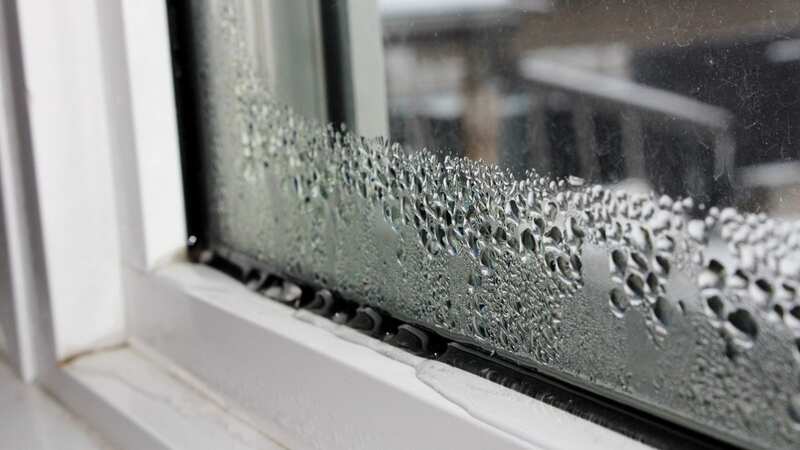
As the nights close in and the autumn and winter months ahead bring colder temperatures, households face the ever-pressing headache of condensation on windows and unsightly, smelly damp building up on walls and surfaces.
One way to tackle excess moisture in the home, which if left untreated can lead to costly decorative repairs, structural problems and health issues, is with a dehumidifier. They work by removing water from the air until the required humidity is achieved. However, they can cost anything from £40 for the mini versions to £500 for the bigger, top of the range units.
There is a way to make your own homemade version though, using cheap readily available products, which save money as well as space.
Experts at Cut Plastic Sheeting told the Daily Record exactly how to do this so in the colder weather you can keep windows closed and costly heating in. They recommend using silica gel to make your own dehumidifier.
They explained: "All you'll need to do is fill a jar with silica gel, cover it with a perforated lid - you can do this by piercing the lid with a screwdriver - and leave it by your window. Replace the gel once every two weeks for best results. Alternatively, you can also use charcoal in the same way as it absorbs moisture from the air."
 Martin Lewis issues 8-week warning to phone users ahead of huge price hikes
Silica gel is a desiccant made from silicon dioxide - a compound found in sand - that has small particles capable of absorbing moisture. It is the substance in the small packets you find placed in packaging with new items of clothing and accessories to keep moisture out. It is available to buy in larger amounts from Amazon, with 50 one gram packets costing £4.99.
A handful of these can be placed in a jar and replaced every couple of weeks, as the experts recommend. While it is non-toxic, it should be kept out of the reach of small children as it can still pose a choking hazard.
If you don't want to use silica gel and want even cheaper options, there are other household products that can be used instead.
One is rock salt - which also absorbs moisture and can be placed in a bowl near windows that have condensation. The highly versatile baking soda can also be used to soak up the damp. It will harden as it gets to work and should then be replaced.
Read more similar news:
Comments:
comments powered by Disqus