Champions League format explained as Premier League could enter seven clubs
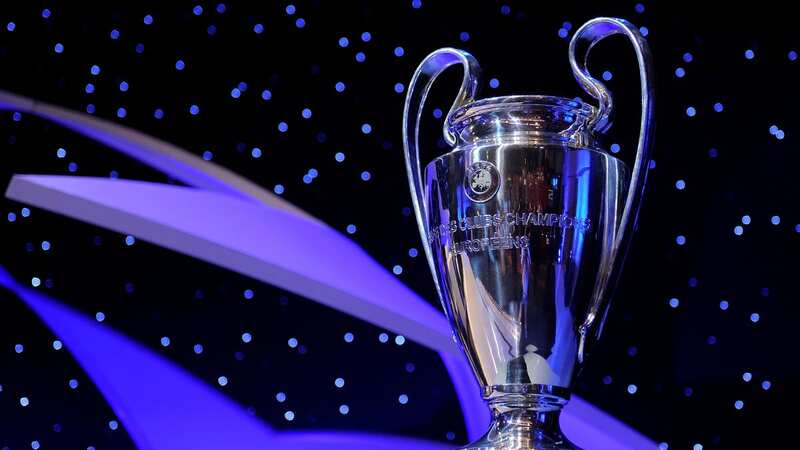
The Champions League group stage kicks off on Tuesday evening with Manchester City looking to become the first club not called Real Madrid to win back-to-back titles since 1990 and Newcastle United making their first appearance in two decades.
But Premier League rivals will be hoping they, Arsenal and Manchester United all go far to ensure a fifth English club can take part in next season’s expanded tournament.
This campaign is the last featuring 32 teams split into eight groups of four, with UEFA’s vexing “Swiss model” coming in for 2024-25.
It will see four more teams and 64 more matches with every club guaranteed eight fixtures and the majority 10. All 36 clubs will enter a league table and play eight round robin games.
At that point the top eight will head to the last 16 while ninth to 24th will meet in the first knockout round. Those ranked 25th down to last in the table will no longer drop into the Europa League.
 Marcel Sabitzer completes Man Utd transfer after last-minute deadline day dash
Two of the extra quartet will be from the two leagues with the highest coefficient - currently the Premier League and La Liga.
The coefficient rankings are based on the collective performances of all teams from a national association across the past ten years and while England has a comfortable lead over third-place Italy it is still technically possible they could fall down the pecking order if clubs have total stinkers.
But once this season’s quartet perform to expectations it will see whoever finishes fifth in the Premier League afforded an additional place next autumn.
 Man City will be aiming to defend their Champions League crown this season (Getty Images)
It is highly unlikely but there could end up being seven representatives in next season’s Champions League - if this season’s European champions and Europa League winners are English sides who do not finish in the top five domestically.
So if Arsenal fell to sixth but Mikel Arteta’s team won May’s final at Wembley, while West Ham United go all the way in the secondary competition without troubling the top spots at home, almost a quarter of next season’s Champions League would come from this island.
Meanwhile, the other two teams to form the 36 will come from whoever finishes third in the league ranked fifth in the UEFA coefficient (that is currently the Eredivisie, just ahead of Ligue 1) and one additional spot from the qualifying rounds.
Read more similar news:
Comments:
comments powered by Disqus