Two people saved by lung transplants from drowned man develop deadly disease
Two people were infected with a deadly disease that left them seriously ill after accepting transplanted lungs from a drowned man.
The lungs came from a donor, a man in his 30's, who drowned in fresh water for over five minutes, according to the Centre for Disease Control. His lungs were then donated seven days later to a woman in her 70s and a man in his 60s.
Both patients then developed Legionnaires’ disease after the transplant. As the first case of its kind, it has left doctors stumped, concluding that the bug must have emerged from the donated lungs themselves after the donor's death.
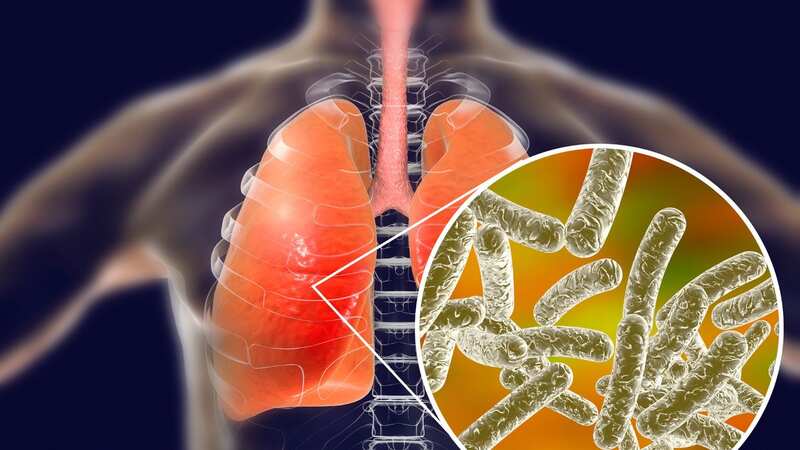
 This bacterium was found living in water tanks, showerheads and air-conditioning systems (Getty Images/MedicalRF.com)
Doctors think the man who had drowned in fresh water had his lungs infected with the severe form of pneumonia. It is caused by inhaling the bacteria in small droplets of water or accidentally swallowing water containing Legionella.
The lungs were not tested for Legionella. Nine days after the transplant, the woman developed anaemia and a high white blood cell count, a sign of infection or inflammation. Further testing revealed she had Legionnaires. She was treated with antibiotics and recovered, the report said.
 Dr Michael Mosley shares exercise that can cut cholesterol and blood pressure
The second patient, who tested positive for a different strain of Legionella, suffered several complications after his transplant surgery, and died six months later from respiratory failure, it added. Experts are racing to find the source of the infection, with the hospital involved testing water systems and cooling towers for the bug.
No other cases of the infected have been reported at the hospital since. The report said: "Although laboratory testing did not confirm the source of recipient infections, available data suggest that the most likely source was the donor lungs. This cluster highlights the need for increased clinical awareness of possible infection with Legionella in recipients of lungs from donors who drowned in freshwater before organ recovery.
The NHS said Legionarres’ can also be found in air conditioning systems, humidifiers, spa pools, hot tubs as well as taps and showers that are not used often. It's especially an issue in warmer climates. The bacteria which causes the infection is found naturally in freshwater but grows best in warm water and in warm to hot temperatures.
Symptoms of the disease may include, a cough, difficulty breathing, chest pain, a high temperature, and flu-like symptoms. You might need to go to the hospital if you're diagnosed with the bug.
You should definitely call NHS 111 if you can't breathe properly, have chest pain, or feel like you have severe flu. Asthma and Lunk UK said at home, you can reduce the risk of Legionnaires' disease by removing any build-up around shower heads because this can trap water.
Read more similar news:
Comments:
comments powered by Disqus