31 August 2023 , 19:13
573
0

People have been warned to watch out for symptoms of the deadly Legionnaires' disease as more deaths and an "unprecedented" number of cases grip Poland.
Around 140 people are infected and 16 have died in the country, close to the Ukraine border, health authorities said Wednesday. Laboratory tests have confirmed the presence of Legionnaires’ disease germs in the city’s water pipeline system. Authorities are still looking for the source of the infections, the numbers of which were unprecedented in the region.
Legionnaires' disease is a severe form of pneumonia and experts in the eastern European country say it could come from rarely used plumbing, where the germs could have spread in high temperatures during the recent heat wave. The region of Rzeszow, some 50 miles from the Ukraine border, where the outbreak is centred is a key transit hub for international military support following the war in Ukraine. Some 10,000 US troops and 400 UK troops are stationed in the area, but most of the fatalities from the disease were among elderly people who also suffered from other health issues like cancer.
Research estimates around 4,000-6,000 Brits fall ill with legionnaires every year, with the disease resulting in a host of unpleasant and often debilitating symptoms from a temperature to chest pains. People can catch the bug from pools, hot tubs and showers. It is usually caught in places like hotels, hospitals or offices where the bacteria have got into the water supply, for example in air conditioning systems.
According to the NHS, symptoms include a cough, shortness of breath, a high temperature, flu-like symptoms and chest pain or discomfort. People with such symptoms are advised to contact a medical professional and tell them if they have been staying in a setting such as a hotel, spa or hospital in the past 10 days.
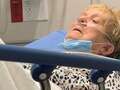 Tourist says she almost died after 'catching disease from Airbnb hot tub'
Legionella bacteria can also cause Pontiac fever, a mild flu-like illness. Experts say it is not clear why some people get this less severe illness while others get Legionnaires’ disease when exposed to the same bacteria. Legionnaires is easily treatable, with 90% of people who catch it recovering from it. However, confirmed cases may need hospital treatment.
This may include antibiotics administered directly into the veins, or even require the use of oxygen masks or a breathing machine. Doctors then usually prescribe antibiotics to take at home for up to three weeks. An NHS spokesperson previously told the Mirror: "Most people make a full recovery, but it might take a few weeks to feel back to normal."
Here are the main symptoms of the disease, and what to do if you think you may have it. The main symptoms, according to NHS guidance, include: