24 August 2023 , 08:57
1301
0
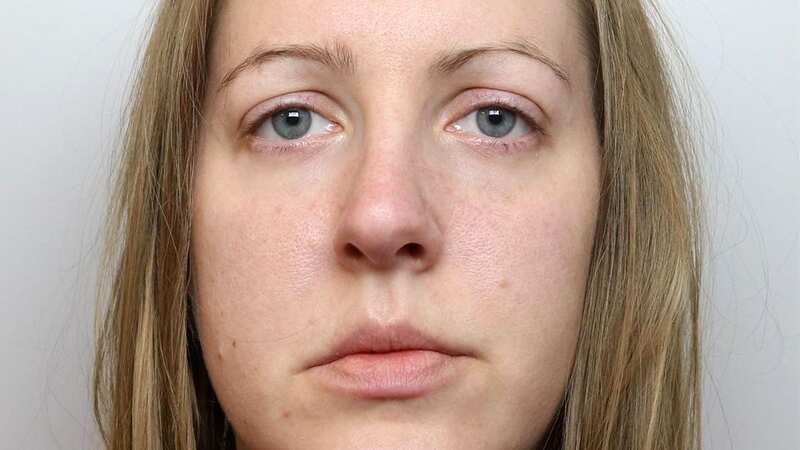
A fundraiser has been launched to appeal Lucy Letby's convictions, which organisers claim "may represent the greatest miscarriage of justice the UK has ever witnessed".
The 33-year-old nurse was handed a whole life order for murdering seven babies and attempting to murder six more. Her lawyers are yet to confirm if they plan to appeal, but the campaign - called Science on Trial - claims she did not have a fair trial.
It has been set up by Sarrita Adams - a scientific consultant for biotech startups based in California - "to ensure that scientific evidence is used responsibly in the criminal justice system". She hopes to recruit scientists and lawyers, among others, to help with the appeal. Donations are not yet open on the website but there is a "coming soon" note.
 The Science on Trial campaign hopes to overturn Letby's convictions
The site states: "Our first mission is to campaign for a new trial for Lucy Letby, who was recently convicted of murdering infants, under her care at the Countess of Chester Hospital, UK. Through fundraising, researching, and legal assistance, we aim to ensure that Lucy Letby can have a fair trial where evidence is reliable. We are currently working to form a group of scientists, lawyers, and activists to aid in the upcoming appeal for Lucy Letby."
In a separate statement, Ms Adams goes on criticise the medical evidence that was presented at the trial. This includes the level of insulin detected in two of Letby's victims - this is despite the killer not denying they were injected with insulin. Instead, she said it was not her who did it. Medical expert Dr Dewi Evans' evidence was also criticised.
 Lucy Letby guilty of murdering 7 babies as Angel of Death faces life sentence
Ms Adams describes herself as “a scientist with rare expertise in rare paediatric diseases”. According to her online LinkedIn profile, she has a PhD in biochemistry from Cambridge University, but does not appear to work as a scientist now.
She runs consultancy Railroad Children which works with under-18-year-olds who have rare diseases and their families to identify novel treatments. Meanwhile, according to the PubMed database of biomedical research, she appears only ever to have contributed to two published pieces of research, the last in 2013 related to autism.