Guidance given as flesh-eating bacteria found in seaweed and seafood kills three
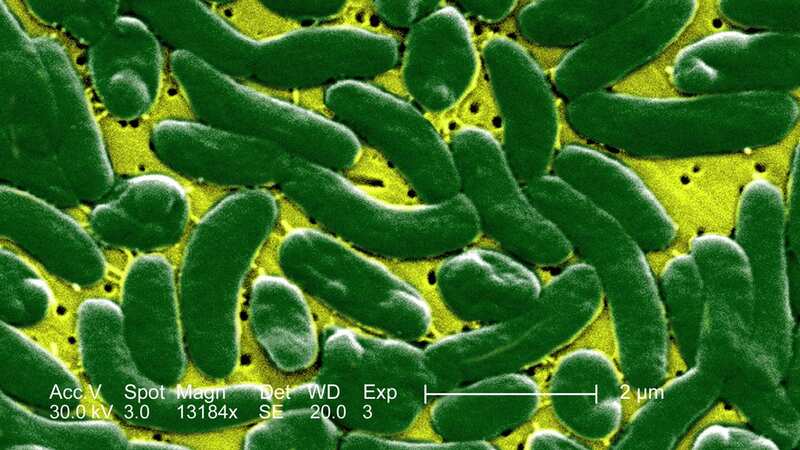
Guidance has been issued after a flesh-eating bacteria was found to be responsible for the deaths of three people.
Three people across New York and Connecticut died from infections this summer linked to the Vibrio vulnificus bacteria. The bacteria is found in seawater or raw shellfish, according to the Department of Public Health.
The office of New York Governor Kathy Hochul said the death in the state, which occurred in Suffolk County, was still being investigated to see if and how the victim came into contact with the bacteria.
New Yorkers were issued guidance by the governor. "While rare, the vibrio bacteria has unfortunately made it to this region and can be extraordinarily dangerous," Governor Hochul said in a news release.
She added New Yorkers should "stay vigilant and take responsible precautions to keep themselves and their loved ones safe."
 Dr Michael Mosley shares exercise that can cut cholesterol and blood pressure
Precautions for avoiding the potentially deadly bacteria include protecting open wounds from seawater and, for those with compromised immune systems, forgoing raw or undercooked shellfish, she said.
Last month, the Department of Public Health said three people had been hospitalised and one of them was from Connecticut and and consumed raw oysters, but from outside of the state.
For all the latest news, politics, sports, and showbiz from the USA, go to The Mirror US
 The Vibrio vulnificus bacteria, which doesn’t make an oyster look, smell or taste any different (Getty Images)
Health officials say anyone can get vibriosis, the illness caused by the bacteria, but those with liver disease, cancer or a weakened immune system, or people taking medicine to decrease stomach acid levels may be more susceptible to infection or more likely to develop complications.
In Connecticut, three victims were between the ages of 60 to 80 and the two deaths occurred in July, according to the state's Bureau of Aquaculture. Connecticut is home to a thriving oyster industry, and conducts regular tests for the bacteria. Vibrio vulnificus has never been found in state waters, the health department said, and most infections are linked to shellfish from much warmer waters where the bacteria can thrive.
Since 2014, the state has also added requirements designed to cool oysters to the point where the bacteria cannot survive, the department said. In high-risk areas, harvested oysters are immediately placed in an ice slurry. In lower-risk areas, harvesters are required to refrigerate or ice all oysters within five hours of harvest.
The Centres for Disease Control and Prevention (CDC) said one species of the bacteria can cause life-threatening infections in wounds. "Many people with Vibrio vulnificus infection require intensive care or limb amputations," the experts said. "About 1 in 5 people with this infection die, sometimes within a day or two of becoming ill."
Other infections can also lead to necrotizing fasciitis, more commonly known as 'flesh-eating bacteria.' "Necrotizing fasciitis can be caused by more than one type of bacteria," the CDC said.
People with wounds should stay out of salt water or where freshwater meets the sea, known as brackish water. Wounds should be washed thoroughly with soap if they come into contact with seawater, brackish water, raw seafood, or seafood juices.
If anyone with an open wound goes near the problem water then they should cover it with a waterproof bandage.
 Supermarket expert shares little-known box trick that makes veg look 'fresher'
Read more similar news:
Comments:
comments powered by Disqus